

Advanced Certificate in Python Quality Assurance: Security Testing
Elevate your Python QA skills with this certificate, focusing on security testing techniques and best practices.
Advanced Certificate in Python Quality Assurance: Security Testing
Programme Overview
This course is designed for software developers, QA engineers, and cybersecurity professionals seeking to enhance their skills in Python-based security testing. Participants will learn to identify, test, and mitigate security vulnerabilities in Python applications, using tools and techniques for static and dynamic analysis.
Upon completion, learners will gain proficiency in conducting automated security tests, understanding Python's security features, and implementing secure coding practices. The course also covers ethical hacking principles and best practices for securing Python applications against common threats.
What You'll Learn
Dive into the robust world of Python-based security testing with our Advanced Certificate in Python Quality Assurance: Security Testing. This cutting-edge program equips you with the skills to identify and mitigate vulnerabilities in software systems, ensuring they are secure against cyber threats. You'll master tools like Python for penetration testing, learn to craft sophisticated security tests, and understand the latest security protocols. Ideal for professionals aiming to enhance their cybersecurity expertise or those transitioning into tech from other fields, this course opens doors to high-demand roles in security testing and software assurance. Join us to become a pivotal force in safeguarding digital assets and protecting against the evolving landscape of cyber threats.
Programme Highlights
Industry-Aligned Curriculum
Developed with industry leaders to ensure practical, job-ready skills valued by employers worldwide.
Globally Recognised Certificate
Recognised by employers across 180+ countries as a mark of professional excellence.
Flexible Online Learning
Study at your own pace with lifetime access to all course materials and updates.
Instant Access
Start learning immediately — no application process or waiting period required.
Constantly Updated Content
Stay ahead with the latest industry trends, best practices, and emerging insights.
Career Advancement
87% of graduates report measurable career progression within 6 months of completion.
Topics Covered
- 1. Introduction to Security Testing: Learners will study the basics of security testing, including its importance, types, and methodologies. They will gain foundational skills in identifying security risks and vulnerabilities.
- 2. Python Fundamentals for Security Testing: This module covers essential Python programming skills relevant to security testing, such as syntax, data structures, and basic scripting for automating tests.
- 3. Web Application Security Testing: Learners will delve into security testing of web applications, covering topics like SQL injection, cross-site scripting (XSS), and security headers. Practical skills in using tools like Burp Suite will be developed.
- 4. API Security Testing: This module focuses on testing APIs for security vulnerabilities, including authentication, authorization, and input validation. Learners will learn to use tools like Postman and Kali Linux for API security testing.
- 5. Static Code Analysis: Learners will study how to perform static code analysis to identify security flaws in Python code. They will use tools like Bandit and SonarQube to analyze code and fix vulnerabilities.
- 6. Dynamic Application Security Testing (DAST): This module covers dynamic application security testing techniques, including fuzzing and automated testing tools. Practical exercises will help learners gain hands-on experience with tools like OWASP ZAP and Nessus.
- 7. Security Testing Frameworks: Learners will explore security testing frameworks in Python, such as PySec and Security Monkey. They will learn how to create custom tests and integrate security testing into existing projects.
- 8. Advanced Python Scripting for Penetration Testing: This module focuses on advanced scripting techniques in Python for penetration testing. Topics include network scanning, exploitation, and post-exploitation activities.
- 9. Security Testing Methodologies and Standards: Learners will study various security testing methodologies and standards, such as OWASP and NIST. They will learn how to apply these standards to real-world testing scenarios.
- 10. Ethical Hacking and Legal Considerations: This module covers ethical hacking principles and legal considerations in security testing. Learners will understand the importance of obtaining proper authorization and maintaining ethical standards in security testing activities.
What You Get When You Enroll
Secure checkout • Instant access • Certificate included
Key Facts
For professionals in QA and cybersecurity
No prior Python experience required
Understand security testing principles
Implement automated tests for security
Recognize and mitigate common vulnerabilities
Apply Python in security testing scenarios
Ready to get started?
Join thousands of professionals who already took the next step. Enroll now and get instant access.
Enroll Now — $149Why This Course
Acquire specialized skills in security testing, a critical component in Python quality assurance.
Gain knowledge in securing Python applications against various threats, enhancing cybersecurity expertise.
Prepare for career advancement by mastering advanced techniques and tools used in security testing.
Your Path to Certification
Trusted by Professionals Worldwide
Course Brochure
Download our comprehensive course brochure with all details
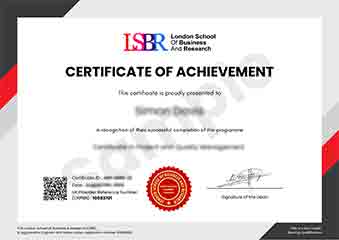
Sample Certificate
Preview the certificate you'll receive upon successful completion of this program.
Get Free Course Info
Enter your details and we'll send you a comprehensive course information pack straight to your inbox.
Employer Sponsored Training
Let your employer invest in your professional development. Request a corporate invoice and get your training funded.
Request Corporate InvoiceWhat People Say About Us
Hear from our students about their experience with the Advanced Certificate in Python Quality Assurance: Security Testing at FlexiCourses.
James Thompson
United Kingdom"The course content was comprehensive and deeply technical, equipping me with advanced skills in security testing that are directly applicable to real-world scenarios. Gaining this knowledge has significantly enhanced my ability to identify and mitigate security vulnerabilities in Python applications, opening up new career opportunities in cybersecurity."
Siti Abdullah
Malaysia"This Advanced Certificate in Python Quality Assurance: Security Testing course has been instrumental in enhancing my ability to identify and mitigate security vulnerabilities in software. The practical applications I've learned have directly translated into career advancement opportunities, allowing me to take on more complex projects and responsibilities in my role."
Brandon Wilson
United States"The course structure is well-organized, providing a comprehensive overview of security testing in Python that seamlessly bridges theoretical knowledge with practical applications, significantly enhancing my ability to identify and mitigate vulnerabilities in software systems."