

Certificate in German Language Processing for Data Science
This certificate equips learners with advanced skills in German language processing, enhancing data science capabilities for analyzing and extracting insights from German-language data.
Certificate in German Language Processing for Data Science
Programme Overview
This course is designed for data scientists and professionals with a basic understanding of German who seek to integrate language processing into their data science projects. Participants will gain expertise in applying natural language processing techniques specifically to German language data, enhancing their ability to analyze and derive insights from textual data in German.
Students will learn to use relevant tools and libraries for German language processing, develop algorithms for text analysis, and apply these skills to real-world datasets. By the end, they will be able to preprocess, analyze, and interpret German text data effectively, contributing to more robust and culturally sensitive data science projects.
What You'll Learn
Dive into the world of data science with our dynamic Certificate in German Language Processing. This intensive program equips you with the skills to analyze and interpret German language data, opening doors to lucrative roles in tech, finance, and research. You'll master natural language processing techniques, data analysis with Python and R, and gain hands-on experience with real-world datasets. Unique to our course is a focus on integrating machine learning models with German text data, preparing you for cutting-edge innovations. Whether you're aiming to enhance your current data science toolkit or transition into this growing field, our program provides the practical knowledge and skills you need to succeed. Join us and transform raw data into actionable insights in German!
Programme Highlights
Industry-Aligned Curriculum
Developed with industry leaders to ensure practical, job-ready skills valued by employers worldwide.
Globally Recognised Certificate
Recognised by employers across 180+ countries as a mark of professional excellence.
Flexible Online Learning
Study at your own pace with lifetime access to all course materials and updates.
Instant Access
Start learning immediately — no application process or waiting period required.
Constantly Updated Content
Stay ahead with the latest industry trends, best practices, and emerging insights.
Career Advancement
87% of graduates report measurable career progression within 6 months of completion.
Topics Covered
- 1. Introduction to German Language Processing: Learners will study the basics of German language structure and the key challenges in processing German text. They will gain foundational knowledge in text preprocessing techniques and tools specific to German.
- 2. Data Collection and Cleaning in German: This module covers methods for collecting and cleaning German language data, including handling special characters and dialects. Learners will develop skills in preparing data for analysis.
- 3. Text Preprocessing for German Texts: Learners will learn how to preprocess German text data, including tokenization, stemming, and lemmatization. Practical skills in using NLP libraries for German will be developed.
- 4. Named Entity Recognition in German: This module focuses on identifying and categorizing named entities in German text. Learners will implement and evaluate NER models tailored for German language.
- 5. Sentiment Analysis for German Text: Learners will study techniques for analyzing the sentiment of German text, including the use of sentiment lexicons and machine learning models. They will practice sentiment analysis on real-world German datasets.
- 6. Machine Translation Between German and English: This module covers the fundamentals of machine translation, with a focus on translating between German and English. Learners will build and evaluate translation models using German language data.
- 7. Text Summarization for German Documents: Learners will learn techniques for automatically summarizing German text, including extractive and abstractive methods. They will apply these techniques to generate concise summaries of German documents.
- 8. German Language Processing in Data Science Projects: This module integrates the skills learned throughout the course into practical data science projects. Learners will work on end-to-end projects involving German language data, applying their knowledge to real-world problems.
What You Get When You Enroll
Secure checkout • Instant access • Certificate included
Key Facts
For data scientists, linguists, and researchers
No prior German language knowledge needed
Proficient in German language processing techniques
Capable of applying NLP to German text data
Understands German-specific NLP challenges
Ready to get started?
Join thousands of professionals who already took the next step. Enroll now and get instant access.
Enroll Now — $79Why This Course
Gain specialized skills in handling German-language data, a critical skill for multinational companies and research.
Enhance career prospects in data science by mastering the processing of multilingual datasets, which are increasingly common in today’s global market.
Access unique datasets and case studies that focus on German-language content, providing a competitive edge in the job market.
Your Path to Certification
Trusted by Professionals Worldwide
Course Brochure
Download our comprehensive course brochure with all details
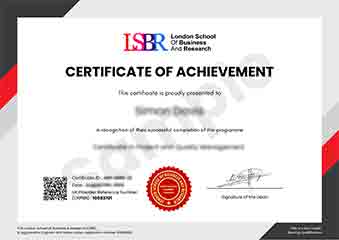
Sample Certificate
Preview the certificate you'll receive upon successful completion of this program.
Get Free Course Info
Enter your details and we'll send you a comprehensive course information pack straight to your inbox.
Employer Sponsored Training
Let your employer invest in your professional development. Request a corporate invoice and get your training funded.
Request Corporate InvoiceWhat People Say About Us
Hear from our students about their experience with the Certificate in German Language Processing for Data Science at FlexiCourses.
Oliver Davies
United Kingdom"The course content is incredibly thorough, providing a solid foundation in German language processing techniques that are directly applicable to data science projects. Gaining hands-on experience with these tools has been invaluable for enhancing my analytical skills and opening up new career opportunities in the tech industry."
Brandon Wilson
United States"This certificate program has been incredibly valuable, equipping me with the practical skills needed to analyze German language data in a professional setting. It has opened up new opportunities in my field and made my resume stand out to potential employers."
Priya Sharma
India"The course structure is well-organized, providing a comprehensive foundation in German language processing that seamlessly integrates real-world applications, which has significantly enhanced my understanding and practical skills in data science."