

Certificate in Next-Gen Sequencing Data Processing Techniques
Master advanced next-gen sequencing data processing techniques for efficient and accurate bioinformatics analysis.
Certificate in Next-Gen Sequencing Data Processing Techniques
Programme Overview
This course is designed for bioinformaticians, researchers, and data analysts looking to enhance their skills in processing next-generation sequencing data. Participants will gain expertise in using advanced tools and software for data quality control, alignment, variant calling, and differential expression analysis.
By the end of the course, learners will be proficient in handling large-scale genomic datasets, interpreting results, and applying best practices for reproducibility and accuracy in genomic research.
What You'll Learn
Dive into the cutting edge of genomic analysis with our 'Certificate in Next-Gen Sequencing Data Processing Techniques.' This intensive program equips you with the skills to master advanced bioinformatics tools, enabling you to process, analyze, and interpret vast genomic datasets. Gain hands-on experience with real-world data, learn from industry leaders, and explore applications in precision medicine, research, and biotechnology. Upon completion, you'll be well-prepared for roles in genomics research, bioinformatics, and data science. Join a growing field where innovation meets impact, and become a catalyst for change in healthcare and beyond.
Programme Highlights
Industry-Aligned Curriculum
Developed with industry leaders to ensure practical, job-ready skills valued by employers worldwide.
Globally Recognised Certificate
Recognised by employers across 180+ countries as a mark of professional excellence.
Flexible Online Learning
Study at your own pace with lifetime access to all course materials and updates.
Instant Access
Start learning immediately — no application process or waiting period required.
Constantly Updated Content
Stay ahead with the latest industry trends, best practices, and emerging insights.
Career Advancement
87% of graduates report measurable career progression within 6 months of completion.
Topics Covered
- 1. Introduction to Next-Gen Sequencing Data: Learners will study the basics of next-generation sequencing technologies and understand the types of data produced. They will gain foundational knowledge in handling and interpreting sequencing data.
- 2. Quality Control and Data Preprocessing: This module covers the essential steps in quality control and data preprocessing, including trimming, filtering, and normalization techniques to prepare data for analysis.
- 3. Bioinformatics Tools and Software: Learners will explore various bioinformatics tools and software used in next-gen sequencing data processing, learning how to install, configure, and use these tools effectively.
- 4. Alignment and Mapping Strategies: This module focuses on advanced alignment and mapping strategies, including the use of reference genomes and transcriptomes, and the evaluation of alignment quality.
- 5. Variant Calling and Analysis: Learners will delve into variant calling techniques, including single nucleotide polymorphisms (SNPs) and indels, and learn how to analyze and interpret variant data.
- 6. Transcriptomics Data Analysis: This module covers the analysis of transcriptomics data, focusing on differential expression analysis, gene regulation, and pathway enrichment.
- 7. Epigenomics Data Processing: Learners will study the processing of epigenomics data, including chromatin immunoprecipitation sequencing (ChIP-seq) and methylation sequencing (Methyl-seq) data.
- 8. Advanced Data Visualization Techniques: This module introduces advanced data visualization techniques for next-gen sequencing data, including the use of software tools like Heatmaps, PCA, and t-SNE for data interpretation.
- 9. Machine Learning in Sequencing Data Analysis: Learners will explore the application of machine learning techniques in next-gen sequencing data analysis, including classification, clustering, and predictive modeling.
- 10. Quality Assurance and Reporting in Next-Gen Sequencing: The final module covers best practices in quality assurance and report generation for next-gen sequencing data, ensuring accurate and reliable data interpretation and reporting.
What You Get When You Enroll
Secure checkout • Instant access • Certificate included
Key Facts
Audience: Researchers, bioinformaticians, healthcare professionals
Prerequisites: Basic biology, introductory programming
Outcomes: Master NGS data processing, utilize bioinformatics tools, interpret results effectively
Ready to get started?
Join thousands of professionals who already took the next step. Enroll now and get instant access.
Enroll Now — $79Why This Course
Enhance Employability: The certificate equips learners with specialized skills in next-gen sequencing data processing, making them more competitive in the job market.
Practical Knowledge: It provides hands-on experience with the latest tools and techniques, enabling learners to solve real-world problems effectively.
Stay Updated: The program keeps learners abreast of the latest advancements in sequencing technologies and data analysis methods, ensuring they remain current in their field.
Your Path to Certification
Trusted by Professionals Worldwide
Course Brochure
Download our comprehensive course brochure with all details
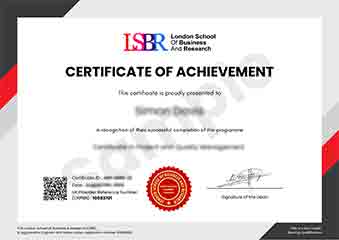
Sample Certificate
Preview the certificate you'll receive upon successful completion of this program.
Get Free Course Info
Enter your details and we'll send you a comprehensive course information pack straight to your inbox.
Employer Sponsored Training
Let your employer invest in your professional development. Request a corporate invoice and get your training funded.
Request Corporate InvoiceWhat People Say About Us
Hear from our students about their experience with the Certificate in Next-Gen Sequencing Data Processing Techniques at FlexiCourses.
James Thompson
United Kingdom"The course provided an in-depth look at next-gen sequencing data processing, equipping me with practical skills that are directly applicable in the field. Gaining hands-on experience with various tools and techniques has significantly enhanced my ability to analyze genetic data, which is invaluable for my career in bioinformatics."
Fatimah Ibrahim
Malaysia"This course has been instrumental in bridging the gap between theoretical knowledge and practical applications in next-gen sequencing data processing. It has significantly enhanced my ability to handle complex data sets, making me more competitive in the job market and opening up new career opportunities in genomics research."
Jack Thompson
Australia"The course structure is well-organized, providing a clear path from basic concepts to advanced techniques in next-gen sequencing data processing, which has significantly enhanced my understanding and practical skills in handling real-world biological data."