

Certificate in Python Tools for Bibliometric Analysis
Master Python tools for bibliometric analysis to enhance data analysis skills and gain actionable insights from scholarly literature.
Certificate in Python Tools for Bibliometric Analysis
Programme Overview
This course is designed for researchers, librarians, and data analysts interested in leveraging Python for bibliometric analysis. It covers essential Python tools and libraries, enabling participants to efficiently process and analyze scholarly literature data.
Participants will gain proficiency in using Python for bibliometric tasks, including data extraction, visualization, and statistical analysis. By the end, they will be able to conduct sophisticated bibliometric studies and generate insightful reports, enhancing their research capabilities in academic and professional settings.
What You'll Learn
Dive into the world of academic research and data analysis with our 'Certificate in Python Tools for Bibliometric Analysis.' This course equips you with the skills to harness Python for advanced bibliometric studies, transforming raw data into insightful visualizations and predictive models. You'll explore libraries like Pandas, Matplotlib, and Scikit-learn, gaining hands-on experience in text mining, citation analysis, and network visualization. Perfect for researchers, data scientists, and academics, this certificate opens doors to roles in academic publishing, library science, and research-focused industries. Join us to unlock the power of data in scholarly communication and enhance your analytical toolkit.
Programme Highlights
Industry-Aligned Curriculum
Developed with industry leaders to ensure practical, job-ready skills valued by employers worldwide.
Globally Recognised Certificate
Recognised by employers across 180+ countries as a mark of professional excellence.
Flexible Online Learning
Study at your own pace with lifetime access to all course materials and updates.
Instant Access
Start learning immediately — no application process or waiting period required.
Constantly Updated Content
Stay ahead with the latest industry trends, best practices, and emerging insights.
Career Advancement
87% of graduates report measurable career progression within 6 months of completion.
Topics Covered
- 1. Introduction to Python and Bibliometrics: Learners will study the basics of Python programming and key concepts in bibliometrics, gaining foundational skills in using Python for data manipulation and analysis in the context of academic publications.
- 2. Data Cleaning and Preparation for Bibliometric Analysis: Learners will delve into cleaning and preparing bibliometric data, learning how to handle messy data, and preparing datasets for analysis using Python libraries such as Pandas and NumPy.
- 3. Text Mining and Extraction for Bibliometric Analysis: Learners will explore techniques for extracting text from academic papers and articles, focusing on natural language processing (NLP) tools in Python, such as NLTK and SpaCy, to prepare text data for further analysis.
- 4. Visualizing Bibliometric Data: Learners will learn how to create various types of visualizations for bibliometric data using Python libraries like Matplotlib and Seaborn, enabling them to effectively communicate their findings.
- 5. Network Analysis for Bibliometric Studies: Learners will study network analysis techniques to understand the structure and relationships within bibliometric data, including the creation and analysis of co-authorship and citation networks.
- 6. Advanced Data Analysis in Python for Bibliometrics: Learners will dive deeper into advanced data analysis techniques using Python, including statistical analysis and machine learning methods to explore trends and patterns in bibliometric datasets.
- 7. Collaborative Tools and Version Control for Python Projects: Learners will learn how to use collaborative tools and version control systems (such as Git) to manage and collaborate on Python projects for bibliometric analysis, enhancing their ability to work in teams.
- 8. Case Studies in Python Tools for Bibliometric Analysis: Learners will apply their knowledge through real-world case studies, analyzing actual bibliometric datasets to solve complex problems and gain practical experience in applying Python tools for bibliometric research.
- 9. Publishing and Sharing Python Code for Bibliometric Analysis: Learners will learn best practices for publishing and sharing Python code and results for bibliometric analysis, including how to create reproducible research using Jupyter Notebooks and other tools.
- 10. Future Trends and Emerging Technologies in Python for Bibliometrics: Learners will explore emerging trends and technologies in Python that are shaping the future of bibliometric analysis, including the integration of AI and big data techniques in the field.
What You Get When You Enroll
Secure checkout • Instant access • Certificate included
Key Facts
Audience: Researchers, data analysts
Prerequisites: Basic Python knowledge
Outcomes: Master Python tools, perform bibliometric analysis
Ready to get started?
Join thousands of professionals who already took the next step. Enroll now and get instant access.
Enroll Now — $79Why This Course
Gain specialized skills in using Python tools for bibliometric analysis, enhancing your ability to interpret and analyze academic literature.
Access a wide range of Python libraries and tools designed for data manipulation, visualization, and statistical analysis, which are essential for advanced research.
Develop a competitive edge in the academic and research sectors by acquiring in-demand skills that are increasingly valued in today’s data-driven environment.
Your Path to Certification
Trusted by Professionals Worldwide
Course Brochure
Download our comprehensive course brochure with all details
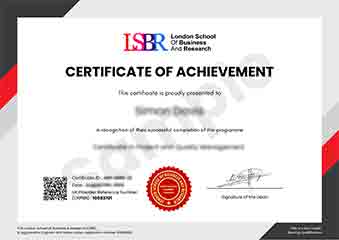
Sample Certificate
Preview the certificate you'll receive upon successful completion of this program.
Get Free Course Info
Enter your details and we'll send you a comprehensive course information pack straight to your inbox.
Employer Sponsored Training
Let your employer invest in your professional development. Request a corporate invoice and get your training funded.
Request Corporate InvoiceWhat People Say About Us
Hear from our students about their experience with the Certificate in Python Tools for Bibliometric Analysis at FlexiCourses.
Oliver Davies
United Kingdom"The course content is comprehensive and well-structured, providing a solid foundation in using Python for bibliometric analysis. I gained practical skills that are directly applicable to my research, enhancing my ability to analyze and visualize academic literature effectively."
Ryan MacLeod
Canada"This certificate program has been instrumental in enhancing my ability to analyze large datasets, which is highly relevant in my field. It has not only deepened my technical skills in Python but also opened up new career opportunities in data-driven research roles."
Fatimah Ibrahim
Malaysia"The course structure was well-organized, providing a clear path from basic Python scripting to advanced bibliometric analysis techniques, which significantly enhanced my ability to handle complex data sets in my research."