

Certificate in Robotics Software Development: Implementing Cutting-Edge Algorithms
This certificate program equips learners with skills in developing robotics software using advanced algorithms, enhancing automation and intelligence in robotic systems.
Certificate in Robotics Software Development: Implementing Cutting-Edge Algorithms
Programme Overview
This course is designed for software developers, engineers, and enthusiasts aiming to specialize in robotics software development. Participants will gain expertise in implementing advanced algorithms for robotics applications, including perception, planning, and control systems. The curriculum covers essential programming languages and tools used in the field, such as Python, ROS (Robot Operating System), and machine learning frameworks.
Participants will learn to develop robust software solutions for autonomous robots, enhancing their ability to tackle real-world challenges in areas like manufacturing, healthcare, and exploration. By the end of the course, students will have a portfolio of projects demonstrating their skills in integrating cutting-edge algorithms into robotics systems.
What You'll Learn
Embark on a transformative journey into the world of robotics software development with our intensive 'Certificate in Robotics Software Development: Implementing Cutting-Edge Algorithms.' This hands-on program equips you with the skills to design and develop sophisticated algorithms that power modern robotics. Dive into advanced programming languages, deep learning techniques, and real-world applications. Whether you aim to create autonomous vehicles, industrial robots, or healthcare assistive devices, this course provides the foundational knowledge and practical experience you need. Join a community of innovators and prepare for career opportunities in tech giants, startups, and research institutions. Transform your passion for robotics into a rewarding professional life by mastering the art of software that shapes the future.
Programme Highlights
Industry-Aligned Curriculum
Developed with industry leaders to ensure practical, job-ready skills valued by employers worldwide.
Globally Recognised Certificate
Recognised by employers across 180+ countries as a mark of professional excellence.
Flexible Online Learning
Study at your own pace with lifetime access to all course materials and updates.
Instant Access
Start learning immediately — no application process or waiting period required.
Constantly Updated Content
Stay ahead with the latest industry trends, best practices, and emerging insights.
Career Advancement
87% of graduates report measurable career progression within 6 months of completion.
Topics Covered
- 1. Introduction to Robotics Software Development: Learners will be introduced to the basics of robotics software development, including hardware and software components, and gain an understanding of the role software plays in robotics. They will learn to set up a development environment and understand fundamental concepts such as sensors, actuators, and control systems.
- 2. Programming Fundamentals for Robotics: This module covers essential programming concepts and techniques specifically tailored for robotics applications. Learners will develop skills in writing efficient and robust code, using programming languages like Python and C++, and understanding data structures and algorithms relevant to robotics.
- 3. Robot Kinematics and Dynamics: Students will study the principles of kinematics and dynamics as they apply to robots. They will learn how to calculate the motion and forces involved in robotic systems, and how to model and simulate these systems using software tools.
- 4. Sensor Integration and Data Processing: Learners will explore the integration of various sensors into robotic systems and the processing of sensor data to extract meaningful information. This includes topics such as sensor fusion, filtering techniques, and real-time data processing.
- 5. Path Planning and Navigation: This module focuses on path planning and navigation algorithms for robotics. Students will learn how to design and implement algorithms for autonomous navigation, including techniques for mapping, localization, and path optimization.
- 6. Machine Learning for Robotics: Students will delve into the application of machine learning techniques in robotics, including supervised and unsupervised learning methods, reinforcement learning, and deep learning. They will learn to develop and train models for tasks such as object recognition, motion prediction, and decision-making.
- 7. Advanced Robotics Algorithms: This advanced module covers cutting-edge robotics algorithms and techniques, such as SLAM (Simultaneous Localization and Mapping), motion planning with obstacles, and swarm robotics. Learners will gain expertise in applying these algorithms to real-world robotics problems.
- 8. Robotics System Integration and Deployment: In this module, learners will learn how to integrate various software components into a complete robotic system and deploy it in a real-world environment. They will also learn about system testing, debugging, and the challenges of robotics system development.
- 9. Robotics Software Engineering: This module focuses on the engineering aspects of developing robotics software, including software architecture, design patterns, and version control. Learners will learn best practices for developing maintainable and scalable robotics software.
- 10. Ethics and Societal Impact of Robotics: Finally, learners will explore the ethical considerations and societal impact of robotics technology. They will discuss the implications of robotics on privacy, employment, and safety, and learn how to develop robotics systems that are ethically sound and socially responsible.
What You Get When You Enroll
Secure checkout • Instant access • Certificate included
Key Facts
Audience: Beginners in robotics software
Prerequisites: Basic programming knowledge
Outcomes: Understand AI algorithms, develop robotics software
Ready to get started?
Join thousands of professionals who already took the next step. Enroll now and get instant access.
Enroll Now — $79Why This Course
Gain specialized skills in developing cutting-edge robotics algorithms, enhancing career prospects in the rapidly growing field of robotics.
Access to industry-relevant projects and tools, providing practical experience that can be showcased to potential employers.
Networking opportunities with peers and industry experts, facilitating knowledge sharing and potential collaborations in robotics software development.
Your Path to Certification
Trusted by Professionals Worldwide
Course Brochure
Download our comprehensive course brochure with all details
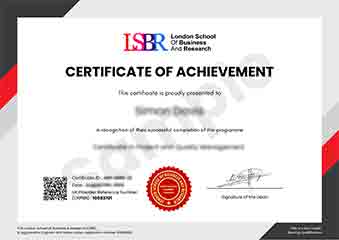
Sample Certificate
Preview the certificate you'll receive upon successful completion of this program.
Get Free Course Info
Enter your details and we'll send you a comprehensive course information pack straight to your inbox.
Employer Sponsored Training
Let your employer invest in your professional development. Request a corporate invoice and get your training funded.
Request Corporate InvoiceWhat People Say About Us
Hear from our students about their experience with the Certificate in Robotics Software Development: Implementing Cutting-Edge Algorithms at FlexiCourses.
Oliver Davies
United Kingdom"The course content is incredibly thorough, covering advanced robotics software development with a focus on implementing state-of-the-art algorithms. I've gained substantial practical skills that have already enhanced my ability to tackle complex robotic systems, making me more competitive in the job market."
Ryan MacLeod
Canada"This certificate program has been incredibly valuable, equipping me with the latest algorithms and tools that are directly applicable in the robotics industry. It has not only enhanced my technical skills but also opened up new career opportunities in advanced robotics development."
Jack Thompson
Australia"The course structure was meticulously organized, providing a seamless transition from theoretical concepts to practical applications, which significantly enhanced my understanding and prepared me for real-world challenges in robotics software development."