

Executive Development Programme in Bioinformatics Tools for Next-Generation Sequencing
This program equips executives with advanced bioinformatics tools and insights for analyzing next-generation sequencing data, enhancing strategic decision-making in genomics.
Executive Development Programme in Bioinformatics Tools for Next-Generation Sequencing
Programme Overview
This course is designed for biologists, bioinformaticians, and healthcare professionals looking to enhance their skills in analyzing complex next-generation sequencing (NGS) data. Participants will gain a deep understanding of bioinformatics tools and techniques essential for handling NGS data, including sequence alignment, variant calling, and data visualization. The program also covers practical applications and hands-on experience with current bioinformatics software and platforms.
Upon completion, attendees will be equipped to interpret NGS results accurately, contribute effectively to research projects, and make informed decisions based on bioinformatics analysis. The course emphasizes real-world applications and prepares participants to tackle challenges in genomics research and clinical diagnostics.
What You'll Learn
Dive into the cutting-edge world of bioinformatics with our Executive Development Programme in Bioinformatics Tools for Next-Generation Sequencing. This intensive course equips you with the skills to harness the power of next-generation sequencing technologies, transforming raw data into actionable insights. You'll master advanced tools and software, enhancing your ability to analyze complex biological datasets. Perfect for professionals aiming to innovate in genomics, this program offers a unique blend of theoretical knowledge and hands-on training. Join us to unlock a future in research, biotech, healthcare, and beyond, where you can drive breakthroughs and shape the future of personalized medicine.
Programme Highlights
Industry-Aligned Curriculum
Developed with industry leaders to ensure practical, job-ready skills valued by employers worldwide.
Globally Recognised Certificate
Recognised by employers across 180+ countries as a mark of professional excellence.
Flexible Online Learning
Study at your own pace with lifetime access to all course materials and updates.
Instant Access
Start learning immediately — no application process or waiting period required.
Constantly Updated Content
Stay ahead with the latest industry trends, best practices, and emerging insights.
Career Advancement
87% of graduates report measurable career progression within 6 months of completion.
Topics Covered
- 1. Introduction to Bioinformatics: Learners will study fundamental concepts in bioinformatics, including data types, key terminologies, and the role of bioinformatics in next-generation sequencing (NGS). They will gain skills in using basic tools for data management and analysis.
- 2. NGS Data Analysis Fundamentals: Learners will explore the basics of NGS data processing, from raw data generation to initial quality control. They will learn to use software tools for data normalization and basic statistical analysis of NGS data.
- 3. Genome Assembly and Annotation: Learners will delve into the process of genome assembly and annotation, understanding different assembly algorithms and annotation tools. They will gain practical skills in assembling and annotating genomes using bioinformatics software.
- 4. Variant Calling and Analysis: Learners will study variant calling techniques and tools, focusing on single nucleotide polymorphisms (SNPs) and small insertions/deletions (indels). They will learn to perform variant calling, filter variants, and interpret results.
- 5. RNA-Seq Data Analysis: Learners will learn the principles of RNA sequencing and the analysis of RNA-Seq data, including transcriptome profiling and differential expression analysis. They will gain skills in using software tools for gene expression analysis.
- 6. Epigenomics Data Analysis: Learners will study epigenetic modifications and their analysis using NGS data, including methylation profiling and histone modification studies. They will learn to use bioinformatics tools for analyzing epigenomic data.
- 7. Advanced Data Visualization and Interpretation: Learners will focus on advanced techniques for visualizing and interpreting NGS data, including heatmaps, scatter plots, and network analyses. They will learn to use specialized software for data visualization and integration.
- 8. Machine Learning in Bioinformatics: Learners will explore the application of machine learning techniques in bioinformatics, including classification, clustering, and predictive modeling. They will gain practical skills in implementing machine learning algorithms for NGS data analysis.
- 9. Cloud Computing for Bioinformatics: Learners will learn how to leverage cloud computing resources for large-scale bioinformatics data analysis. They will gain skills in setting up and managing cloud environments for NGS data processing.
- 10. Ethical and Legal Considerations in Bioinformatics: Learners will study the ethical and legal aspects of bioinformatics research, including data privacy, intellectual property, and regulatory compliance. They will gain an understanding of the responsibilities and best practices in handling sensitive biological data.
What You Get When You Enroll
Secure checkout • Instant access • Certificate included
Key Facts
Audience: Bioinformatics professionals, researchers
Prerequisites: Basic bioinformatics knowledge
Outcomes: Expertise in NGS tools, enhanced analytical skills
Ready to get started?
Join thousands of professionals who already took the next step. Enroll now and get instant access.
Enroll Now — $199Why This Course
Gain Expertise in Cutting-Edge Tools: Develop proficiency in the latest bioinformatics tools essential for analyzing next-generation sequencing data, enhancing your career prospects in genomics and biotechnology.
Enhance Research and Analytical Skills: Acquire the skills to interpret complex genomic data, which are crucial for advancing research in personalized medicine, genetics, and molecular biology.
Network with Industry Leaders: Connect with professionals and experts in the field, facilitating knowledge exchange and potential collaborations that can advance your career and research projects.
Your Path to Certification
Trusted by Professionals Worldwide
Course Brochure
Download our comprehensive course brochure with all details
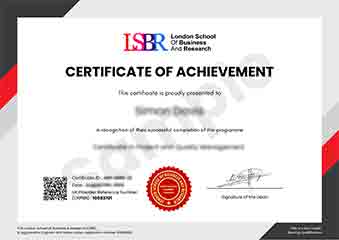
Sample Certificate
Preview the certificate you'll receive upon successful completion of this program.
Get Free Course Info
Enter your details and we'll send you a comprehensive course information pack straight to your inbox.
Employer Sponsored Training
Let your employer invest in your professional development. Request a corporate invoice and get your training funded.
Request Corporate InvoiceWhat People Say About Us
Hear from our students about their experience with the Executive Development Programme in Bioinformatics Tools for Next-Generation Sequencing at FlexiCourses.
Oliver Davies
United Kingdom"The course provided an in-depth look at bioinformatics tools for next-generation sequencing, equipping me with practical skills to analyze genomic data effectively. It significantly enhanced my ability to tackle real-world bioinformatics challenges, which I believe will be invaluable in my career."
Greta Fischer
Germany"This course has significantly enhanced my ability to analyze next-generation sequencing data, making me more competitive in the bioinformatics field. It has not only deepened my technical skills but also provided me with practical tools that I can immediately apply in my work, leading to faster and more accurate results in my projects."
Kavya Reddy
India"The course structure was meticulously organized, providing a seamless transition from foundational concepts to advanced topics in bioinformatics tools for next-generation sequencing, which significantly enhanced my understanding and practical skills in the field. The comprehensive content and real-world applications have been instrumental in my professional growth, equipping me with the knowledge to tackle complex sequencing data effectively."