

Executive Development Programme in Circulating Tumor Cell Isolation Techniques
This programme equips executives with advanced knowledge and skills in circulating tumor cell isolation techniques, enhancing their strategic decision-making in oncology research and development.
Executive Development Programme in Circulating Tumor Cell Isolation Techniques
Programme Overview
This Executive Development Programme in Circulating Tumor Cell Isolation Techniques is tailored for senior biotech professionals, academic researchers, and industry leaders. It aims to enhance participants' expertise in advanced isolation methods, enabling them to drive innovation and improve patient outcomes in cancer diagnostics and treatment.
By the end of the program, participants will gain comprehensive knowledge of cutting-edge isolation technologies, hands-on experience with state-of-the-art equipment, and a deeper understanding of regulatory requirements. They will also network with industry peers and experts, fostering collaborative opportunities for research and development.
What You'll Learn
Dive into the cutting-edge world of Circulating Tumor Cell (CTC) isolation with our Executive Development Programme. This intensive course equips you with the latest techniques and technologies to identify and analyze CTCs, pivotal for personalized cancer treatment and early detection. Learn from leading experts in a hands-on environment, enhancing your diagnostic and research capabilities. This program opens doors to advanced roles in biotechnology, oncology, and medical research. Engage with a global network of professionals and gain exclusive access to cutting-edge research and innovative tools. Transform your career with the power to revolutionize cancer care and patient outcomes. Join us and shape the future of precision medicine.
Programme Highlights
Industry-Aligned Curriculum
Developed with industry leaders to ensure practical, job-ready skills valued by employers worldwide.
Globally Recognised Certificate
Recognised by employers across 180+ countries as a mark of professional excellence.
Flexible Online Learning
Study at your own pace with lifetime access to all course materials and updates.
Instant Access
Start learning immediately — no application process or waiting period required.
Constantly Updated Content
Stay ahead with the latest industry trends, best practices, and emerging insights.
Career Advancement
87% of graduates report measurable career progression within 6 months of completion.
Topics Covered
- 1. Introduction to Circulating Tumor Cells (CTCs): Learners will study the basic biology of CTCs and their significance in cancer research and diagnostics, gaining foundational knowledge on CTC characteristics and clinical relevance. Practical skills include identifying CTCs using microscopy and understanding their role in disease progression.
- 2. Overview of CTC Isolation Techniques: This module provides an overview of various methodologies for isolating CTCs from blood samples, including filtration, immunomagnetic separation, and size-based separations. Learners will learn to compare and choose appropriate techniques based on sample type and research goals.
- 3. Advanced CTC Isolation Techniques: Learners will delve into advanced isolation techniques such as positive and negative magnetic bead-based sorting, and cell-free circulating tumor DNA (ctDNA) analysis as complementary methods. Practical skills include optimizing isolation protocols for specific applications.
- 4. Sample Preparation for CTC Isolation: This module covers the critical steps in preparing blood samples for CTC isolation, including sample collection, stabilization, and pre-processing. Practical skills include handling and processing blood samples to ensure accurate CTC detection.
- 5. Molecular Profiling of Isolated CTCs: Learners will study methods for molecular profiling of isolated CTCs, including gene expression analysis, mutational profiling, and epigenetic modifications. Practical skills include performing and interpreting molecular assays to understand CTC heterogeneity.
- 6. Bioinformatics Tools for CTC Analysis: This module introduces bioinformatics tools and pipelines for analyzing CTC data, including data normalization, statistical analysis, and visualization. Practical skills include using software for processing and interpreting CTC-related data.
- 7. Clinical Applications of CTC Isolation: Learners will explore the clinical applications of CTC isolation in cancer monitoring, prognosis, and personalized treatment. Practical skills include designing and implementing CTC-based diagnostic and therapeutic strategies in clinical settings.
- 8. Regulatory and Ethical Considerations in CTC Research: This module covers the regulatory and ethical aspects of CTC research, including data privacy, consent, and compliance with clinical guidelines. Practical skills include understanding and adhering to regulatory standards and ethical practices in CTC research and clinical trials.
- 9. Case Studies in CTC Research and Development: Learners will analyze real-world case studies of CTC-based research and development, focusing on successful applications and challenges encountered. Practical skills include critically evaluating research outcomes and developing strategies to overcome research challenges.
- 10. Future Directions in CTC Research: This module discusses emerging trends and future directions in CTC research, including nanotechnology, artificial intelligence, and multi-omics approaches. Practical skills include identifying and planning research projects to advance CTC technology and applications.
What You Get When You Enroll
Secure checkout • Instant access • Certificate included
Key Facts
Audience: Medical professionals, researchers
Prerequisites: Basic knowledge of oncology
Outcomes: Proficient in isolation techniques, enhanced research skills
Ready to get started?
Join thousands of professionals who already took the next step. Enroll now and get instant access.
Enroll Now — $199Why This Course
Gain cutting-edge knowledge: Develop expertise in advanced technologies and methodologies for isolating circulating tumor cells, staying ahead in the field.
Enhance career prospects: Position yourself for leadership roles or specialized positions in cancer research, diagnostics, and treatment development.
Network with professionals: Connect with industry leaders and peers, fostering collaboration and learning opportunities.
Your Path to Certification
Trusted by Professionals Worldwide
Course Brochure
Download our comprehensive course brochure with all details
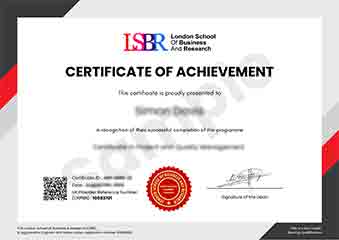
Sample Certificate
Preview the certificate you'll receive upon successful completion of this program.
Get Free Course Info
Enter your details and we'll send you a comprehensive course information pack straight to your inbox.
Employer Sponsored Training
Let your employer invest in your professional development. Request a corporate invoice and get your training funded.
Request Corporate InvoiceWhat People Say About Us
Hear from our students about their experience with the Executive Development Programme in Circulating Tumor Cell Isolation Techniques at FlexiCourses.
James Thompson
United Kingdom"The course provided in-depth, high-quality material that significantly enhanced my understanding of circulating tumor cell isolation techniques, equipping me with practical skills that are directly applicable in my field. I now feel more confident in my ability to contribute to cutting-edge research and clinical applications."
Emma Tremblay
Canada"This course has significantly enhanced my understanding of circulating tumor cell isolation techniques, making me more competitive in the biotech industry. I've been able to apply these skills directly in my role, leading to more effective patient diagnostics and contributing to groundbreaking research projects."
Kavya Reddy
India"The course structure was meticulously organized, making it easy to follow and ensuring a smooth learning curve as the complexity of topics increased. The content was not only comprehensive but also deeply connected to real-world applications, which significantly enhanced my understanding and prepared me for practical challenges in the field."