

Executive Development Programme in Computational Design for Innovative Spaces
This programme equips executives with advanced computational design skills to innovate and transform spatial experiences, driving business growth and competitiveness.
Executive Development Programme in Computational Design for Innovative Spaces
Programme Overview
This course is designed for business executives and leaders in the architecture, engineering, and design industries who seek to integrate computational design into their projects to drive innovation. Participants will gain hands-on skills in using advanced computational tools for design optimization, simulation, and analysis, enabling them to enhance their business strategies and deliver more efficient, sustainable, and user-centric spaces.
Upon completion, learners will be able to lead computational design initiatives, collaborate effectively with multidisciplinary teams, and leverage data-driven approaches to solve complex design challenges. The course equips them with the knowledge to stay ahead in a rapidly evolving industry, fostering creativity and competitiveness in the market.
What You'll Learn
Dive into the future of architecture and design with our Executive Development Programme in Computational Design for Innovative Spaces. This cutting-edge program equips you with the skills to transform spaces through smart, sustainable, and innovative designs. Learn to harness the power of computational tools to create dynamic, responsive environments that meet the needs of the modern world. From urban planning to product design, this program offers unparalleled career opportunities in emerging fields like smart cities and sustainable design. Unique features include real-world project-based learning, expert mentorship from industry leaders, and access to the latest software technologies. Whether you're a seasoned professional or an aspiring designer, this program will propel you to the forefront of the industry, driving change and innovation in the built environment. Join us and shape the future of spaces with computational design.
Programme Highlights
Industry-Aligned Curriculum
Developed with industry leaders to ensure practical, job-ready skills valued by employers worldwide.
Globally Recognised Certificate
Recognised by employers across 180+ countries as a mark of professional excellence.
Flexible Online Learning
Study at your own pace with lifetime access to all course materials and updates.
Instant Access
Start learning immediately — no application process or waiting period required.
Constantly Updated Content
Stay ahead with the latest industry trends, best practices, and emerging insights.
Career Advancement
87% of graduates report measurable career progression within 6 months of completion.
Topics Covered
- 1. Introduction to Computational Design: Learners will understand the basics of computational design principles and explore their application in architectural and spatial design. They will gain foundational skills in using software for basic parametric modeling.
- 2. Geometry and Topology in Computational Design: This module focuses on the geometric and topological aspects of computational design, teaching learners how to manipulate shapes and structures using algorithms. Practical skills include creating complex geometries and understanding spatial relationships.
- 3. Advanced Parametric Modeling Techniques: Learners will delve into advanced parametric modeling techniques, learning how to create and manipulate dynamic models. They will gain skills in using parametric tools to optimize designs for innovative spaces.
- 4. Computational Sustainability and Design: This module explores how computational design can contribute to sustainable architecture and urban planning. Learners will study algorithms and models that promote energy efficiency and sustainability in building design.
- 5. Integration of Computational Design with BIM: Learners will learn how to integrate computational design with Building Information Modeling (BIM) systems, focusing on data management and interoperability. Practical skills include creating detailed 3D models and collaborating with other professionals.
- 6. Simulation and Analysis in Computational Design: This module covers the use of computational design for simulation and analysis, including thermal, structural, and acoustical modeling. Learners will gain skills in predictive analysis to optimize design outcomes.
- 7. Generative Design and Optimization: Focusing on generative design techniques, learners will explore how algorithms can generate multiple design options and optimize them based on specific criteria. Practical skills include using generative design tools to create innovative and efficient designs.
- 8. Advanced Visualization and Presentation Techniques: This module teaches advanced visualization techniques for computational design, including real-time rendering and virtual reality. Learners will develop skills in creating compelling presentations and immersive design experiences.
- 9. Machine Learning in Computational Design: This module introduces machine learning algorithms and their application in computational design. Learners will gain skills in using machine learning to automate design processes and predict user experiences in innovative spaces.
- 10. Industry Case Studies and Future Trends: Learners will study real-world case studies in computational design and explore emerging trends in the field. Practical skills include analyzing successful projects and leveraging new technologies to inform future design decisions.
What You Get When You Enroll
Secure checkout • Instant access • Certificate included
Key Facts
Audience: Architects, designers, engineers
Prerequisites: Basic design software proficiency
Outcomes: Enhanced computational design skills, innovative space creation
Ready to get started?
Join thousands of professionals who already took the next step. Enroll now and get instant access.
Enroll Now — $199Why This Course
Gain specialized skills in computational design, enhancing your ability to innovate and create unique space solutions.
Access cutting-edge tools and technologies, providing a competitive edge in the job market.
Network with industry leaders and peers, fostering professional relationships and collaborative opportunities.
Your Path to Certification
Trusted by Professionals Worldwide
Course Brochure
Download our comprehensive course brochure with all details
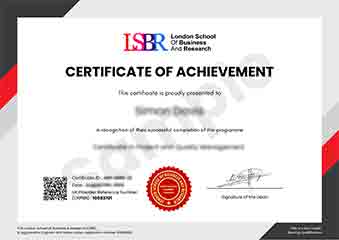
Sample Certificate
Preview the certificate you'll receive upon successful completion of this program.
Get Free Course Info
Enter your details and we'll send you a comprehensive course information pack straight to your inbox.
Employer Sponsored Training
Let your employer invest in your professional development. Request a corporate invoice and get your training funded.
Request Corporate InvoiceWhat People Say About Us
Hear from our students about their experience with the Executive Development Programme in Computational Design for Innovative Spaces at FlexiCourses.
James Thompson
United Kingdom"The course content was incredibly rich and well-structured, providing a solid foundation in computational design that has significantly enhanced my ability to innovate in architectural spaces. I've gained practical skills that are directly applicable to real-world projects, making me more competitive in the job market."
Priya Sharma
India"The Executive Development Programme in Computational Design for Innovative Spaces has been instrumental in enhancing my ability to integrate advanced computational tools into architectural projects, making my designs more innovative and practical. This program has not only broadened my skill set but also opened up new career opportunities in the highly competitive field of architectural design."
Liam O'Connor
Australia"The course structure was meticulously organized, providing a seamless progression from foundational concepts to advanced applications in computational design, which greatly enhanced my understanding and practical skills in creating innovative spaces. The comprehensive content and real-world case studies were particularly beneficial, offering valuable insights into how to apply these techniques in professional settings."