

Executive Development Programme in Computational Materials Science and Modeling
This program equips executives with advanced computational materials science skills and modeling techniques to drive innovation and strategic decision-making.
Executive Development Programme in Computational Materials Science and Modeling
Programme Overview
This course, aimed at mid-to-senior level executives in materials science and related industries, provides a deep dive into computational materials science and modeling techniques. Participants will gain advanced knowledge in using computational tools to predict material properties, optimize processes, and innovate in product development.
They will also learn to integrate these techniques into strategic decision-making, enhancing their ability to lead in a data-driven era. The curriculum covers key areas such as quantum mechanics, machine learning applications, and high-throughput screening, equipping participants with the skills to stay competitive in the global market.
What You'll Learn
Dive into the cutting-edge world of computational materials science and modeling with our Executive Development Programme. This intensive course equips you with the skills to predict and tailor the properties of materials, driving innovations in technology, energy, and healthcare. Through hands-on labs and real-world projects, you'll master state-of-the-art simulation techniques and data analysis methods. Our program is designed for professionals looking to advance their careers in R&D, manufacturing, or academia. Engage with a network of industry leaders and academics, and gain access to cutting-edge research facilities. Join us and shape the future of materials science, where your insights can lead to groundbreaking discoveries and sustainable solutions.
Programme Highlights
Industry-Aligned Curriculum
Developed with industry leaders to ensure practical, job-ready skills valued by employers worldwide.
Globally Recognised Certificate
Recognised by employers across 180+ countries as a mark of professional excellence.
Flexible Online Learning
Study at your own pace with lifetime access to all course materials and updates.
Instant Access
Start learning immediately — no application process or waiting period required.
Constantly Updated Content
Stay ahead with the latest industry trends, best practices, and emerging insights.
Career Advancement
87% of graduates report measurable career progression within 6 months of completion.
Topics Covered
- 1. Introduction to Computational Materials Science: Learners will study the fundamental principles of computational materials science, including the importance of simulation in material design and the basics of computational methods. They will gain skills in using software tools for basic material property calculations.
- 2. Quantum Mechanics for Materials: This module covers the theoretical foundations of quantum mechanics as applied to materials science, focusing on electronic structure calculations and density functional theory. Learners will develop skills in using quantum mechanical models to predict material properties.
- 3. Molecular Dynamics Simulations: Learners will explore the principles of molecular dynamics simulations, including force fields and simulation algorithms. They will gain practical experience in setting up and running molecular dynamics simulations to study material behavior at the atomic scale.
- 4. Computational Thermodynamics and Phase Transitions: This module delves into the computational methods for understanding thermodynamic properties and phase transitions in materials. Learners will learn to use thermodynamic models to predict and analyze phase behavior in diverse materials.
- 5. Machine Learning in Materials Science: Learners will study the application of machine learning techniques to materials science, including data-driven approaches to material property prediction and discovery. They will gain skills in using machine learning algorithms to analyze and predict material properties.
- 6. Advanced Computational Techniques: This advanced module covers cutting-edge computational methods in materials science, such as ab initio methods, molecular dynamics with quantum mechanics, and first-principles simulations. Learners will develop expertise in applying these techniques to complex materials problems.
- 7. Materials Informatics: This module focuses on the use of big data and informatics tools in materials science research. Learners will learn to analyze and interpret large datasets to gain insights into material properties and behavior.
- 8. Computational Materials Design: Learners will study the principles of computational materials design, including high-throughput screening and the use of computational models to guide material synthesis and optimization. They will develop skills in designing and testing new materials using computational methods.
- 9. Computational Modeling of Interfaces and Surfaces: This module covers the computational modeling of interfaces and surfaces in materials, focusing on the effects of surface and interface properties on material behavior. Learners will gain skills in using computational models to study surface and interface phenomena.
- 10. Computational Materials Analysis and Reporting: In this final module, learners will learn how to analyze, interpret, and report results from computational materials science studies. They will develop skills in scientific writing and presentation, preparing them for advanced research and professional settings.
What You Get When You Enroll
Secure checkout • Instant access • Certificate included
Key Facts
Audience: Experienced materials scientists, engineers
Prerequisites: Bachelor's degree in relevant field
Outcomes: Advanced computational skills, research capability
Ready to get started?
Join thousands of professionals who already took the next step. Enroll now and get instant access.
Enroll Now — $199Why This Course
Gain specialized knowledge in computational materials science, enhancing your ability to innovate and solve complex material challenges.
Access cutting-edge modeling tools and techniques, providing practical skills for real-world applications in industries such as pharmaceuticals, electronics, and manufacturing.
Network with industry leaders and peers, fostering professional growth and collaboration opportunities in a rapidly evolving field.
Your Path to Certification
Trusted by Professionals Worldwide
Course Brochure
Download our comprehensive course brochure with all details
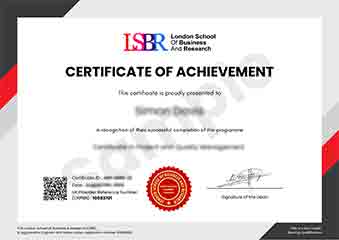
Sample Certificate
Preview the certificate you'll receive upon successful completion of this program.
Get Free Course Info
Enter your details and we'll send you a comprehensive course information pack straight to your inbox.
Employer Sponsored Training
Let your employer invest in your professional development. Request a corporate invoice and get your training funded.
Request Corporate InvoiceWhat People Say About Us
Hear from our students about their experience with the Executive Development Programme in Computational Materials Science and Modeling at FlexiCourses.
James Thompson
United Kingdom"The course content was incredibly thorough, providing a deep dive into computational methods that are directly applicable to real-world materials science problems. Gaining hands-on experience with these tools has significantly enhanced my ability to model and predict material behavior, which is invaluable for my career in this field."
Brandon Wilson
United States"The Executive Development Programme in Computational Materials Science and Modeling has significantly enhanced my ability to apply advanced computational techniques to real-world problems, making me more competitive in the job market and opening up new opportunities for career advancement in the materials science industry."
Anna Schmidt
Germany"The course structure is meticulously organized, providing a seamless transition from theoretical concepts to practical applications, which has significantly enhanced my understanding and knowledge in computational materials science. The comprehensive content and real-world examples have not only deepened my technical skills but also broadened my perspective on how these models can be applied in various industries."