

Executive Development Programme in Data-Driven Decision Making in Peace Studies
This programme equips leaders with data analytics skills to make evidence-based decisions, enhancing peace studies and conflict resolution outcomes.
Executive Development Programme in Data-Driven Decision Making in Peace Studies
Programme Overview
This course is designed for mid-to-senior level policymakers, researchers, and practitioners in peace studies. Participants will learn to leverage data analytics and statistical tools to inform and enhance their decision-making processes. By the end of the programme, attendees will be equipped with a robust understanding of data-driven methodologies, enabling them to address complex peace and security challenges more effectively.
They will gain practical skills in data analysis, including the use of statistical software, and will understand how to interpret data to support evidence-based policies. The course also covers the ethical considerations of data use in peace studies, ensuring that participants can apply their skills responsibly and effectively.
What You'll Learn
Dive into the future of peace studies with the Executive Development Programme in Data-Driven Decision Making. This cutting-edge program equips you with the analytical tools and strategic insights needed to navigate complex global challenges. You'll master advanced data analytics, learn to interpret big data for informed policy-making, and build robust decision frameworks. Engage in hands-on projects with real-world datasets, enhancing your ability to predict and mitigate conflicts. Join a network of global leaders and experts, and expand your career horizons in academia, government, NGOs, and international organizations. Transform data into decisive action and lead the charge towards sustainable peace.
Programme Highlights
Industry-Aligned Curriculum
Developed with industry leaders to ensure practical, job-ready skills valued by employers worldwide.
Globally Recognised Certificate
Recognised by employers across 180+ countries as a mark of professional excellence.
Flexible Online Learning
Study at your own pace with lifetime access to all course materials and updates.
Instant Access
Start learning immediately — no application process or waiting period required.
Constantly Updated Content
Stay ahead with the latest industry trends, best practices, and emerging insights.
Career Advancement
87% of graduates report measurable career progression within 6 months of completion.
Topics Covered
- 1. Introduction to Data-Driven Decision Making in Peace Studies: Learners will explore foundational concepts of data-driven decision making, including data collection methods, basic statistical analysis, and ethical considerations. They will gain practical skills in identifying relevant data sources and understanding the importance of data quality for effective peace studies.
- 2. Data Visualization and Communication: This module covers the creation of effective visual representations of data to communicate insights clearly. Learners will study various visualization tools and techniques, enhancing their ability to present complex data in a digestible format for stakeholders in peace negotiations and policy-making.
- 3. Advanced Statistical Analysis for Peace Research: Focusing on more sophisticated statistical methods, this module teaches learners how to apply advanced statistical techniques to analyze peace-related data. Practical skills include using software tools for regression analysis, time-series analysis, and predictive modeling.
- 4. Machine Learning in Peace Studies: Learners will delve into machine learning algorithms and their application in analyzing peace data. The module covers supervised and unsupervised learning methods, enabling learners to predict trends, identify patterns, and classify data related to peace and conflict dynamics.
- 5. Data Ethics and Privacy in Peace Studies: This module explores the ethical implications of using data in peace studies, focusing on issues of privacy, consent, and the responsible handling of sensitive data. Learners will develop skills in applying ethical guidelines and best practices to data-driven peace research.
- 6. Case Studies in Data-Driven Peace Initiatives: Through in-depth case studies, learners will analyze successful and unsuccessful data-driven peace initiatives. This module provides practical insights into the real-world application of data analytics in peacebuilding efforts.
- 7. Cross-Cultural Data Interpretation: This module highlights the importance of cultural context in interpreting data related to peace and conflict. Learners will study how cultural factors influence data interpretation and will gain skills in conducting culturally sensitive data analysis.
- 8. Policy Impact Assessment Using Data: Focusing on the application of data-driven insights in policy-making, this module teaches learners how to assess the impact of peace policies using quantitative and qualitative data. Practical skills include using data to inform policy recommendations and evaluate their effectiveness.
- 9. Data-Driven Conflict Prevention Strategies: Learners will explore how data can be used to predict and prevent conflicts. This module covers early warning systems, risk assessment models, and other data-driven strategies for conflict prevention.
- 10. Leadership in Data-Driven Peace Initiatives: The final module focuses on developing leadership skills for data-driven peace initiatives. Learners will learn how to lead cross-disciplinary teams, manage data projects, and advocate for the use of data in peace studies.
What You Get When You Enroll
Secure checkout • Instant access • Certificate included
Key Facts
Audience: Mid-level to senior peace researchers
Prerequisites: Basic understanding of data analysis
Outcomes: Enhanced ability in data-driven decision making
Ready to get started?
Join thousands of professionals who already took the next step. Enroll now and get instant access.
Enroll Now — $199Why This Course
Gain specialized skills in using data to inform peace studies, enhancing analytical capabilities.
Access cutting-edge research and methodologies in data-driven decision making specific to peace and conflict resolution.
Network with leading experts and peers in the field, fostering collaborative opportunities and mutual learning.
Your Path to Certification
Trusted by Professionals Worldwide
Course Brochure
Download our comprehensive course brochure with all details
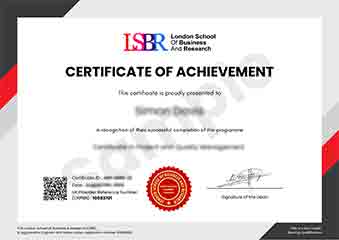
Sample Certificate
Preview the certificate you'll receive upon successful completion of this program.
Get Free Course Info
Enter your details and we'll send you a comprehensive course information pack straight to your inbox.
Employer Sponsored Training
Let your employer invest in your professional development. Request a corporate invoice and get your training funded.
Request Corporate InvoiceWhat People Say About Us
Hear from our students about their experience with the Executive Development Programme in Data-Driven Decision Making in Peace Studies at FlexiCourses.
Oliver Davies
United Kingdom"The course provided high-quality, relevant content that significantly enhanced my ability to apply data analysis in peace studies, equipping me with practical skills to make informed decisions in conflict resolution scenarios. This has opened up new career opportunities and deepened my understanding of the intersection between data and peacebuilding."
Klaus Mueller
Germany"The Executive Development Programme in Data-Driven Decision Making in Peace Studies has significantly enhanced my ability to analyze complex data and apply it to real-world peacekeeping scenarios, making me more competitive in the job market and opening up new opportunities in my field."
Muhammad Hassan
Malaysia"The course structure was meticulously organized, providing a seamless progression from foundational concepts to advanced applications in data-driven decision making, which significantly enhanced my ability to analyze complex peace studies data. The comprehensive content and real-world case studies were particularly beneficial, offering practical insights that have already improved my professional approach to decision-making in the field."