

Executive Development Programme in Developing Crisis Communication Protocols
This programme equips executives with the skills to develop robust crisis communication protocols, enhancing organizational resilience and stakeholder trust.
Executive Development Programme in Developing Crisis Communication Protocols
Programme Overview
This course is designed for senior executives and communication managers in leadership positions. It aims to equip participants with the skills to develop and implement effective crisis communication protocols. Through practical case studies and interactive sessions, participants will learn how to assess risks, craft clear messages, and manage stakeholder communication during crises.
Upon completion, participants will gain the ability to create robust crisis communication plans, improve organizational resilience, and protect brand reputation in challenging situations.
What You'll Learn
Dive into the heart of strategic communication with our Executive Development Programme in Developing Crisis Communication Protocols. This intensive program equips you with the skills to navigate crises effectively, safeguarding reputations and guiding organizations through turbulent times. You'll learn to craft compelling narratives, manage stakeholder expectations, and leverage digital platforms to communicate with precision and empathy. This program isn't just about surviving a crisis; it's about thriving in it. Gain the confidence to lead your team through any challenge, opening doors to senior leadership roles in corporate communications, public relations, and executive management. With a blend of theoretical insights and practical exercises, this course is designed to transform you into a crisis communication expert, ready to shape the narrative in today's fast-paced, interconnected world.
Programme Highlights
Industry-Aligned Curriculum
Developed with industry leaders to ensure practical, job-ready skills valued by employers worldwide.
Globally Recognised Certificate
Recognised by employers across 180+ countries as a mark of professional excellence.
Flexible Online Learning
Study at your own pace with lifetime access to all course materials and updates.
Instant Access
Start learning immediately — no application process or waiting period required.
Constantly Updated Content
Stay ahead with the latest industry trends, best practices, and emerging insights.
Career Advancement
87% of graduates report measurable career progression within 6 months of completion.
Topics Covered
- 1. Introduction to Crisis Communication: Learners will study the foundational concepts of crisis communication, including the definition, importance, and objectives of crisis communication. They will gain skills in recognizing the need for crisis communication and the principles that underpin effective communication strategies.
- 2. Crisis Communication Planning: This module covers the development of a comprehensive crisis communication plan, including key components such as risk assessment, stakeholder analysis, and messaging protocols. Learners will learn how to create a crisis communication plan that is adaptable and effective.
- 3. Media Relations in Crisis Situations: Focusing on managing media relations during a crisis, learners will study the role of the media in crisis communication and the strategies for effective media engagement. Practical skills include preparing statements, conducting media briefings, and managing media inquiries.
- 4. Internal Communication Strategies: This module explores internal communication strategies during a crisis, including how to communicate with employees, partners, and other internal stakeholders. Learners will gain skills in crafting internal communications, maintaining transparency, and fostering a resilient organizational culture.
- 5. Digital and Social Media in Crisis Management: Covering the use of digital and social media platforms in crisis communication, learners will study the advantages and challenges of using these channels. Practical skills include creating and managing social media content, monitoring online discussions, and responding to online criticism.
- 6. Stakeholder Management: This module focuses on managing relationships with various stakeholders during a crisis, including investors, customers, suppliers, and community members. Learners will learn how to engage with stakeholders, address their concerns, and maintain trust and credibility.
- 7. Legal and Ethical Considerations: Addressing the legal and ethical aspects of crisis communication, learners will study the importance of compliance with laws and regulations, as well as ethical guidelines. Practical skills include navigating legal issues, handling sensitive information, and ensuring the integrity of communication.
- 8. Crisis Communication Training and Drills: This module covers the development and implementation of crisis communication training programs and drills. Learners will learn how to design and deliver effective training sessions and conduct realistic drills to prepare for potential crises.
- 9. Analyzing and Improving Crisis Communication: Focusing on evaluation and improvement, learners will study methods for analyzing the effectiveness of crisis communication efforts and making necessary adjustments. Practical skills include using feedback, conducting post-crisis reviews, and refining communication strategies.
- 10. Global Crisis Communication: Covering the complexities of crisis communication in a global context, learners will study the challenges and best practices for managing crises across different cultures and regions. Practical skills include adapting communication strategies to different cultural contexts and managing international media relations.
What You Get When You Enroll
Secure checkout • Instant access • Certificate included
Key Facts
Audience: Mid-to-senior executives
Prerequisites: Basic communication skills
Outcomes: Enhanced crisis management skills
Outcomes: Developed communication protocols
Outcomes: Improved decision-making under pressure
Ready to get started?
Join thousands of professionals who already took the next step. Enroll now and get instant access.
Enroll Now — $199Why This Course
Gain specialized skills in crafting effective crisis communication strategies, essential for managing reputational risks.
Develop a crisis communication plan tailored to executive-level decision-making, enhancing organizational resilience.
Learn from industry experts who provide insights and best practices in crisis management, equipping you with contemporary knowledge.
Your Path to Certification
Trusted by Professionals Worldwide
Course Brochure
Download our comprehensive course brochure with all details
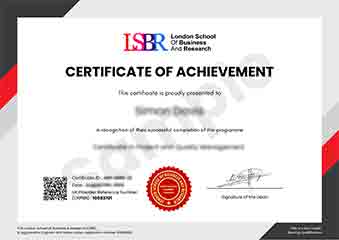
Sample Certificate
Preview the certificate you'll receive upon successful completion of this program.
Get Free Course Info
Enter your details and we'll send you a comprehensive course information pack straight to your inbox.
Employer Sponsored Training
Let your employer invest in your professional development. Request a corporate invoice and get your training funded.
Request Corporate InvoiceWhat People Say About Us
Hear from our students about their experience with the Executive Development Programme in Developing Crisis Communication Protocols at FlexiCourses.
James Thompson
United Kingdom"The course provided high-quality material that was directly applicable to real-world scenarios, significantly enhancing my ability to develop effective crisis communication strategies. Gaining these practical skills has already proven invaluable in my career, allowing me to handle unexpected situations more confidently and professionally."
Siti Abdullah
Malaysia"The Executive Development Programme in Developing Crisis Communication Protocols has been incredibly practical, equipping me with the tools to handle real-world crises more effectively. This course has not only enhanced my communication skills but also opened up new opportunities for career advancement in my organization."
Connor O'Brien
Canada"The course structure was well-organized, providing a clear path from theoretical concepts to practical applications in crisis communication, which significantly enhanced my understanding and preparedness for real-world scenarios."