

Executive Development Programme in Effective Incident Reporting Techniques
Enhance leadership skills in effective incident reporting through this comprehensive Executive Development Programme, boosting organizational safety and transparency.
Executive Development Programme in Effective Incident Reporting Techniques
Programme Overview
This course is designed for executives and senior managers responsible for incident reporting and response in high-risk industries such as healthcare, aviation, and manufacturing. Participants will gain essential skills in identifying, reporting, and analyzing incidents to improve safety and operational efficiency.
Upon completion, attendees will understand how to implement effective incident reporting systems, enhance communication among teams, and drive organizational learning and continuous improvement.
What You'll Learn
Dive into the critical role of effective incident reporting in today’s fast-paced business environment with our Executive Development Programme in Effective Incident Reporting Techniques. This transformative course equips you with cutting-edge strategies and tools to enhance safety, compliance, and organizational resilience. You’ll learn to navigate complex reporting frameworks, analyze incidents with precision, and foster a culture of openness and accountability. Perfect for executives seeking to improve operational efficiency, this program offers invaluable insights and practical skills that can elevate your career. Whether you’re a seasoned leader or a rising star, this course will empower you to drive positive change and ensure your organization thrives in a challenging landscape. Join us and become a beacon of safety and innovation in your field.
Programme Highlights
Industry-Aligned Curriculum
Developed with industry leaders to ensure practical, job-ready skills valued by employers worldwide.
Globally Recognised Certificate
Recognised by employers across 180+ countries as a mark of professional excellence.
Flexible Online Learning
Study at your own pace with lifetime access to all course materials and updates.
Instant Access
Start learning immediately — no application process or waiting period required.
Constantly Updated Content
Stay ahead with the latest industry trends, best practices, and emerging insights.
Career Advancement
87% of graduates report measurable career progression within 6 months of completion.
Topics Covered
- 1. Introduction to Incident Reporting: Learners will understand the importance of incident reporting in organizational safety and compliance, and will explore foundational concepts such as the incident reporting lifecycle and basic terminology. Practical skills include identifying and documenting incidents effectively.
- 2. Legal and Ethical Considerations: This module covers legal frameworks and ethical guidelines related to incident reporting, ensuring learners are knowledgeable about compliance issues and can report incidents responsibly. Practical skills include recognizing legal and ethical implications in reporting scenarios.
- 3. Root Cause Analysis Fundamentals: Learners will study methods for conducting root cause analysis, such as the 5 Whys and Fishbone Diagrams, to understand the underlying causes of incidents. Practical skills involve applying these methods to real-world scenarios.
- 4. Incident Reporting Systems: This module focuses on the design, implementation, and use of incident reporting systems. Learners will learn how to select and tailor systems to meet organizational needs. Practical skills include setting up and maintaining an effective reporting system.
- 5. Communication Strategies in Incident Reporting: Learners will explore effective communication strategies for reporting incidents to various stakeholders, including technical teams and management. Practical skills include crafting clear and concise reports and presenting findings to different audiences.
- 6. Advanced Root Cause Analysis Techniques: Building on foundational knowledge, this module delves into more complex analytical methods like Failure Mode and Effects Analysis (FMEA) and Fault Tree Analysis. Practical skills include applying advanced techniques to complex incidents.
- 7. Psychological Safety and Reporting Culture: This module examines the role of psychological safety in incident reporting and how to foster a culture that encourages open communication. Practical skills include creating and maintaining an environment where reporting is valued and safe.
- 8. Incident Reporting Best Practices: Learners will review best practices in incident reporting, including standardization, data collection, and continuous improvement. Practical skills include implementing these practices in their own work environments.
- 9. Leadership in Incident Reporting: This module focuses on the role of leaders in promoting effective incident reporting, including setting expectations and providing support. Practical skills include leading by example and developing a reporting culture.
- 10. Crisis Management and Reporting: Learners will learn how to manage reporting during crisis situations, including understanding the unique challenges and requirements. Practical skills include developing crisis response plans and ensuring continued reporting during emergencies.
What You Get When You Enroll
Secure checkout • Instant access • Certificate included
Key Facts
Audience: Leaders, managers, safety officers
Prerequisites: Basic understanding of incident management
Outcomes: Improved incident reporting skills, enhanced team communication, reduced risk incidents
Ready to get started?
Join thousands of professionals who already took the next step. Enroll now and get instant access.
Enroll Now — $199Why This Course
Enhance Communication Skills: Develop clear and concise reporting methods to improve communication within teams and organizations.
Improve Safety Culture: Foster a culture of safety by ensuring incidents are reported accurately, leading to better risk management and prevention of future incidents.
Your Path to Certification
Trusted by Professionals Worldwide
Course Brochure
Download our comprehensive course brochure with all details
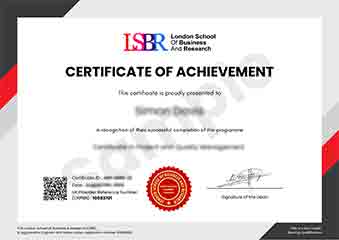
Sample Certificate
Preview the certificate you'll receive upon successful completion of this program.
Get Free Course Info
Enter your details and we'll send you a comprehensive course information pack straight to your inbox.
Employer Sponsored Training
Let your employer invest in your professional development. Request a corporate invoice and get your training funded.
Request Corporate InvoiceWhat People Say About Us
Hear from our students about their experience with the Executive Development Programme in Effective Incident Reporting Techniques at FlexiCourses.
James Thompson
United Kingdom"The course provided comprehensive and well-researched material on incident reporting, equipping me with practical skills to analyze and report incidents effectively. It has significantly enhanced my ability to handle workplace incidents professionally and has opened up new career opportunities in safety management."
Sophie Brown
United Kingdom"The Executive Development Programme in Effective Incident Reporting Techniques has significantly enhanced my ability to handle and report incidents in a structured and professional manner, making me more valuable in my role and opening up new opportunities for career advancement within my organization. The practical applications taught in the course have directly improved our incident management processes, aligning them more closely with industry standards and best practices."
Madison Davis
United States"The course structure was meticulously organized, making it easy to follow and ensuring a smooth learning curve. The content was both comprehensive and practical, equipping me with valuable skills for real-world incident reporting scenarios, significantly enhancing my professional capabilities."