

Executive Development Programme in Hardware Interfacing and Low-Level Programming
This programme equips executives with advanced skills in hardware interfacing and low-level programming, enhancing technical acumen and innovation in product development.
Executive Development Programme in Hardware Interfacing and Low-Level Programming
Programme Overview
This course is designed for IT professionals, hardware engineers, and software developers seeking to deepen their understanding of hardware interfacing and low-level programming. It equips participants with essential skills in managing hardware at a fundamental level, enabling them to optimize performance and troubleshoot issues efficiently.
Attendees will gain hands-on experience with key hardware interfaces, learn to write low-level code, and understand the direct impact of programming on hardware performance. The curriculum includes practical projects that reinforce theoretical knowledge and prepare participants for real-world challenges in the tech industry.
What You'll Learn
Dive into the heart of hardware and software integration with our Executive Development Programme in Hardware Interfacing and Low-Level Programming. This intensive course equips you with the skills to design, develop, and optimize low-level systems, bridging the gap between hardware and software. You'll master essential topics such as embedded systems, device drivers, and system-level programming, all while gaining hands-on experience through labs and real-world projects.
This program opens doors to career opportunities in cutting-edge tech fields, including IoT, robotics, and embedded systems development. You'll also gain a competitive edge by learning from industry experts and participating in collaborative projects that prepare you for real-world challenges.
Join us to become a master of hardware interfacing and low-level programming, transforming your career and your understanding of technology.
Programme Highlights
Industry-Aligned Curriculum
Developed with industry leaders to ensure practical, job-ready skills valued by employers worldwide.
Globally Recognised Certificate
Recognised by employers across 180+ countries as a mark of professional excellence.
Flexible Online Learning
Study at your own pace with lifetime access to all course materials and updates.
Instant Access
Start learning immediately — no application process or waiting period required.
Constantly Updated Content
Stay ahead with the latest industry trends, best practices, and emerging insights.
Career Advancement
87% of graduates report measurable career progression within 6 months of completion.
Topics Covered
- 1. Introduction to Hardware Interfacing: Learners will study the basics of hardware interfacing, including types of interfaces, communication protocols, and the importance of hardware in software development. They will gain practical skills in setting up and testing basic hardware interfaces.
- 2. Digital Logic and Circuit Design: This module covers fundamental digital logic concepts and circuit design principles. Learners will understand binary systems, logic gates, and basic circuit design, and will apply these concepts to create simple digital circuits.
- 3. Microcontrollers and Embedded Systems: Learners will explore microcontroller architecture, programming concepts, and embedded systems design. Practical skills will include programming microcontrollers using popular programming languages and understanding the role of microcontrollers in real-world applications.
- 4. Interfacing Techniques for Sensors and Actuators: This module focuses on interfacing various types of sensors and actuators with microcontrollers. Learners will study sensor characteristics, interfacing methods, and practical applications, and will gain hands-on experience in connecting and programming these components.
- 5. Real-Time Operating Systems (RTOS) for Embedded Devices: Learners will learn about RTOS concepts and their applications in embedded systems. They will study the design and implementation of RTOS, and will gain skills in managing tasks, interrupts, and real-time constraints in embedded environments.
- 6. Low-Level Programming and Assembly Language: This module introduces low-level programming concepts and the use of assembly language. Learners will understand the relationship between high-level and low-level languages, and will gain the ability to write and debug assembly code for microcontrollers.
- 7. Advanced Communication Protocols: Learners will study advanced communication protocols such as I2C, SPI, and UART. They will learn how to use these protocols to interface with different hardware components and will gain skills in configuring and debugging communication channels.
- 8. Power Management and Energy Efficiency: This module covers power management techniques and energy efficiency strategies for hardware interfacing and low-level programming. Learners will understand the importance of power management in embedded systems and will gain skills in optimizing power usage to extend battery life.
- 9. System Integration and Testing: Learners will study the integration of multiple hardware components and systems, and will learn testing methodologies for ensuring system reliability. Practical skills will include designing test plans, conducting tests, and troubleshooting hardware and software issues.
- 10. Case Studies and Project Development: In this final module, learners will apply their knowledge and skills to develop a comprehensive project. They will work on a real-world problem, design a solution, and implement it using hardware interfacing and low-level programming techniques. This module will also include a review of the project and a presentation of findings.
What You Get When You Enroll
Secure checkout • Instant access • Certificate included
Key Facts
Target Audience: Experienced hardware engineers
Prerequisites: Basic programming skills, hardware knowledge
Outcomes: Master hardware interfacing, low-level programming
Ready to get started?
Join thousands of professionals who already took the next step. Enroll now and get instant access.
Enroll Now — $199Why This Course
Gain specialized skills in hardware interfacing and low-level programming, enhancing technical expertise and employability.
Access industry-relevant projects and case studies, bridging the gap between theory and practice.
Network with professionals and peers, expanding your professional circle and learning opportunities.
Your Path to Certification
Trusted by Professionals Worldwide
Course Brochure
Download our comprehensive course brochure with all details
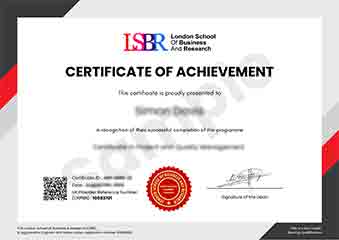
Sample Certificate
Preview the certificate you'll receive upon successful completion of this program.
Get Free Course Info
Enter your details and we'll send you a comprehensive course information pack straight to your inbox.
Employer Sponsored Training
Let your employer invest in your professional development. Request a corporate invoice and get your training funded.
Request Corporate InvoiceWhat People Say About Us
Hear from our students about their experience with the Executive Development Programme in Hardware Interfacing and Low-Level Programming at FlexiCourses.
Sophie Brown
United Kingdom"The course content is incredibly detailed and well-structured, providing a solid foundation in hardware interfacing and low-level programming that has significantly enhanced my practical skills. I've gained a deep understanding of how hardware and software interact, which is invaluable for my career in embedded systems development."
Jack Thompson
Australia"This course has been incredibly valuable, equipping me with the practical skills needed to work on cutting-edge hardware projects. It has not only deepened my understanding of low-level programming but also opened up new career opportunities in the tech industry."
Ahmad Rahman
Malaysia"The course structure was meticulously organized, providing a seamless transition from theoretical concepts to practical applications, which significantly enhanced my understanding and prepared me for real-world challenges in hardware interfacing and low-level programming."