

Executive Development Programme in Indigenous Language Documentation Techniques
This programme equips executives with advanced skills in documenting and revitalizing indigenous languages, fostering cultural preservation and community engagement.
Executive Development Programme in Indigenous Language Documentation Techniques
Programme Overview
This course is designed for linguists, anthropologists, and cultural preservationists working with indigenous communities. It equips participants with essential skills in documentation techniques, including audio and video recording, transcription, and translation, tailored to indigenous languages.
Participants will gain proficiency in using state-of-the-art software and tools, as well as understanding ethical considerations in language documentation. They will also learn to develop community engagement strategies and contribute to global linguistic diversity initiatives.
What You'll Learn
Dive into the rich tapestry of indigenous cultures through our Executive Development Programme in Indigenous Language Documentation Techniques. This cutting-edge program equips you with the skills to preserve endangered languages, working directly with communities to document and revitalize linguistic heritage. You'll master innovative methodologies, including audio and video recording, transcription, and digital archiving, all under the guidance of leading experts in the field. This hands-on experience not only enhances your career prospects in linguistics, cultural preservation, and education but also contributes to global efforts in cultural diversity and sustainability. Whether you're a linguist, anthropologist, or simply passionate about cultural heritage, this program offers an unparalleled opportunity to make a meaningful impact. Join us and become a steward of language and culture.
Programme Highlights
Industry-Aligned Curriculum
Developed with industry leaders to ensure practical, job-ready skills valued by employers worldwide.
Globally Recognised Certificate
Recognised by employers across 180+ countries as a mark of professional excellence.
Flexible Online Learning
Study at your own pace with lifetime access to all course materials and updates.
Instant Access
Start learning immediately — no application process or waiting period required.
Constantly Updated Content
Stay ahead with the latest industry trends, best practices, and emerging insights.
Career Advancement
87% of graduates report measurable career progression within 6 months of completion.
Topics Covered
- 1. Introduction to Indigenous Languages and Documentation: Learners will study the importance of indigenous languages and the challenges faced in their documentation. They will gain foundational knowledge in linguistic anthropology and the ethical considerations of language documentation.
- 2. Language Documentation Techniques and Tools: This module covers the practical tools and techniques for language documentation, including fieldwork methods, audio and video recording, and transcription software. Learners will practice using these tools to document language data.
- 3. Linguistic Analysis in Language Documentation: Learners will delve into phonetic and phonological analysis, morphological and syntactic structure, and semantic fields. They will apply these analyses to real language data and develop skills in descriptive linguistics.
- 4. Community Engagement and Ethical Documentation Practices: This module focuses on building strong relationships with indigenous communities and ensuring that documentation practices are ethical and respectful. Learners will learn how to conduct community consultations and obtain necessary permissions.
- 5. Digital Documentation and Language Revitalization: Learners will explore the use of digital tools and platforms for language documentation and revitalization. They will gain experience in creating and maintaining digital archives and developing language learning materials.
- 6. Comparative Linguistics and Language Typology: This module introduces learners to the classification of languages and their typological features. They will compare indigenous languages with others in their region and gain insights into the diversity of linguistic structures.
- 7. Advanced Documentation Techniques: Learners will study advanced techniques such as elicitation methods, narrative and storytelling techniques, and the use of multimedia in documentation. They will apply these techniques to document endangered language features.
- 8. Language Policy and Planning: This module covers the role of language policy in language documentation and revitalization. Learners will analyze existing policies and develop strategies for promoting language use and maintenance.
- 9. Longitudinal Studies in Language Change: Learners will study how languages change over time and the methods for conducting longitudinal research. They will apply these methods to analyze language data from different time periods.
- 10. Case Studies in Language Documentation: This module involves in-depth case studies of successful language documentation projects. Learners will analyze these cases to understand best practices and contribute to the development of new documentation strategies.
What You Get When You Enroll
Secure checkout • Instant access • Certificate included
Key Facts
Audience: Indigenous language speakers, researchers
Prerequisites: Basic language documentation skills
Outcomes: Advanced documentation techniques, enhanced language preservation
Ready to get started?
Join thousands of professionals who already took the next step. Enroll now and get instant access.
Enroll Now — $199Why This Course
Develop specialized skills in documenting indigenous languages, contributing to cultural preservation and linguistic diversity.
Gain practical experience in fieldwork and data analysis, enhancing career prospects in linguistics, education, and cultural heritage management.
Network with professionals and scholars in the field, fostering collaborations and opportunities for further research and career advancement.
Your Path to Certification
Trusted by Professionals Worldwide
Course Brochure
Download our comprehensive course brochure with all details
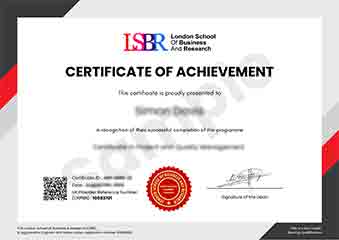
Sample Certificate
Preview the certificate you'll receive upon successful completion of this program.
Get Free Course Info
Enter your details and we'll send you a comprehensive course information pack straight to your inbox.
Employer Sponsored Training
Let your employer invest in your professional development. Request a corporate invoice and get your training funded.
Request Corporate InvoiceWhat People Say About Us
Hear from our students about their experience with the Executive Development Programme in Indigenous Language Documentation Techniques at FlexiCourses.
Sophie Brown
United Kingdom"The course provided an in-depth look at various techniques for documenting indigenous languages, which has significantly enhanced my ability to conduct fieldwork and analyze linguistic data. Gaining hands-on experience with these methods has opened up new career opportunities in linguistic research and cultural preservation."
Wei Ming Tan
Singapore"This course has been incredibly valuable, equipping me with advanced skills in indigenous language documentation that are directly applicable in the field. It has opened up new career opportunities and enhanced my ability to contribute meaningfully to cultural preservation projects."
Sophie Brown
United Kingdom"The course structure was meticulously organized, providing a clear path from foundational concepts to advanced techniques in indigenous language documentation, which greatly enhanced my understanding and practical skills. The comprehensive content and real-world applications have been invaluable for my professional growth in this field."