

Executive Development Programme in Language Documentation Methods
This programme equips executives with advanced language documentation methods, enhancing cultural preservation and corporate social responsibility initiatives.
Executive Development Programme in Language Documentation Methods
Programme Overview
This course is designed for linguists, anthropologists, and cultural heritage professionals seeking to enhance their skills in documenting endangered languages. Participants will gain proficiency in advanced field methodologies, data management, and digital archiving techniques essential for preserving linguistic diversity.
By the end of the program, learners will be equipped to conduct rigorous language documentation projects, analyze linguistic data, and contribute to global language documentation efforts. The curriculum covers practical skills such as audio and video recording, transcription, and statistical analysis, alongside theoretical insights into language documentation ethics and best practices.
What You'll Learn
Dive into the fascinating world of language documentation with our Executive Development Programme in Language Documentation Methods. This intensive course equips you with cutting-edge tools and techniques to preserve endangered languages and linguistic diversity. Through hands-on workshops and real-world case studies, you'll learn how to conduct linguistic fieldwork, analyze language data, and contribute to academic and community-based projects. Ideal for professionals in linguistics, anthropology, and education, this program opens doors to careers in language revitalization, education policy, and cultural heritage preservation. Join us to become a vital force in the global effort to document and sustain linguistic diversity.
Programme Highlights
Industry-Aligned Curriculum
Developed with industry leaders to ensure practical, job-ready skills valued by employers worldwide.
Globally Recognised Certificate
Recognised by employers across 180+ countries as a mark of professional excellence.
Flexible Online Learning
Study at your own pace with lifetime access to all course materials and updates.
Instant Access
Start learning immediately — no application process or waiting period required.
Constantly Updated Content
Stay ahead with the latest industry trends, best practices, and emerging insights.
Career Advancement
87% of graduates report measurable career progression within 6 months of completion.
Topics Covered
- 1. Introduction to Language Documentation: Learners will explore the basic concepts and importance of language documentation, including its role in linguistic and cultural preservation. They will gain foundational skills in recognizing and understanding the key elements of a language documentation project.
- 2. Ethical Considerations in Fieldwork: This module will delve into the ethical aspects of conducting fieldwork in communities, focusing on consent, confidentiality, and community engagement. Learners will develop the ability to navigate these issues effectively and responsibly.
- 3. Data Collection Techniques: Learners will study various methods of data collection, including interviews, recordings, and observations. They will practice these techniques and learn how to ensure the quality and authenticity of the collected data.
- 4. Linguistic Analysis and Description: This module covers the analysis and description of language structures, including phonology, morphology, and syntax. Learners will gain hands-on experience in analyzing linguistic data and describing languages accurately.
- 5. Digital Documentation Tools: Learners will be introduced to software and digital tools used in language documentation, such as transcription software and corpus building tools. They will learn how to use these tools effectively to manage and organize language documentation projects.
- 6. Text and Lexicon Creation: This module focuses on creating texts and lexicons from fieldwork data. Learners will practice transcribing, translating, and editing field recordings to produce high-quality linguistic resources.
- 7. Documentation of Endangered Languages: Learners will explore the challenges and strategies involved in documenting endangered languages. They will gain insights into the unique issues faced by speakers of these languages and learn how to document them effectively.
- 8. Archiving and Preservation: This module covers the processes of archiving and preserving linguistic data. Learners will learn how to properly store and maintain documentation materials, ensuring their long-term accessibility and usability.
- 9. Community Engagement and Collaboration: Learners will study the importance of community involvement in language documentation projects. They will practice skills in community building, collaboration, and working with local communities to ensure the success of documentation efforts.
- 10. Publishing and Dissemination: This final module focuses on the publication and dissemination of linguistic documentation. Learners will learn how to present their work in academic and non-academic settings, including publishing in journals, presenting at conferences, and creating accessible resources for the public.
What You Get When You Enroll
Secure checkout • Instant access • Certificate included
Key Facts
For professionals in linguistics, anthropology, and related fields
No prior experience in language documentation required
Gain proficiency in data collection techniques
Develop skills in linguistic analysis
Learn digital documentation tools and methods
Ready to get started?
Join thousands of professionals who already took the next step. Enroll now and get instant access.
Enroll Now — $199Why This Course
Enhanced Language Skills: Gain advanced proficiency in documenting languages, including transcription, translation, and linguistic analysis.
Career Advancement: Develop specialized skills that are highly sought after in linguistics, education, and cultural preservation, opening up new career opportunities.
Networking Opportunities: Engage with a diverse community of professionals and scholars, fostering collaborations and knowledge sharing in the field.
Your Path to Certification
Trusted by Professionals Worldwide
Course Brochure
Download our comprehensive course brochure with all details
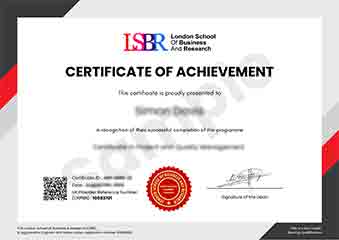
Sample Certificate
Preview the certificate you'll receive upon successful completion of this program.
Get Free Course Info
Enter your details and we'll send you a comprehensive course information pack straight to your inbox.
Employer Sponsored Training
Let your employer invest in your professional development. Request a corporate invoice and get your training funded.
Request Corporate InvoiceWhat People Say About Us
Hear from our students about their experience with the Executive Development Programme in Language Documentation Methods at FlexiCourses.
Charlotte Williams
United Kingdom"The course provided an in-depth look at language documentation methods, equipping me with practical skills that I can apply directly in my fieldwork. It significantly enhanced my ability to document endangered languages effectively, opening up new opportunities for my research career."
Tyler Johnson
United States"This course has significantly enhanced my ability to document and analyze endangered languages, making my skills highly relevant in the field. It has opened up new career opportunities and allowed me to contribute more effectively to linguistic preservation projects."
Klaus Mueller
Germany"The course structure is well-organized, providing a comprehensive overview of language documentation methods that seamlessly bridges theoretical knowledge with practical applications, enhancing my understanding and skills in the field."