

Executive Development Programme in Optimizing Control System Performance Through HMI Design
This programme enhances control system performance through advanced HMI design, boosting efficiency and user productivity.
Executive Development Programme in Optimizing Control System Performance Through HMI Design
Programme Overview
This course is tailored for senior engineers, project managers, and executives responsible for optimizing industrial control systems. Participants will gain deep insights into enhancing system performance through effective Human-Machine Interface (HMI) design, including best practices for user interface and experience, and advanced visualization techniques.
Attendees will learn to develop intuitive and efficient HMIs that significantly improve operational efficiency, reduce human error, and facilitate better decision-making in real-time. The curriculum includes practical case studies and hands-on workshops to apply knowledge directly to their projects.
What You'll Learn
Transform your career and optimize control system performance through our exclusive Executive Development Programme in Optimizing Control System Performance Through HMI Design. This cutting-edge program equips you with the skills to design Human Machine Interfaces (HMIs) that enhance operational efficiency and user experience. Learn from industry experts who will guide you through advanced techniques in HMI design, data visualization, and user interface ergonomics. Participants will gain access to the latest tools and technologies and receive personalized mentorship to tailor their learning to their specific needs.
Embrace new opportunities in industrial automation, smart manufacturing, and IoT. Graduates of this program are well-prepared for roles such as HMI designers, system integrators, and industrial software engineers. Join a community of professionals dedicated to innovation and excellence, and become a leader in the field of control systems. Enroll now and unlock your potential to drive operational excellence and innovation in industry.
Programme Highlights
Industry-Aligned Curriculum
Developed with industry leaders to ensure practical, job-ready skills valued by employers worldwide.
Globally Recognised Certificate
Recognised by employers across 180+ countries as a mark of professional excellence.
Flexible Online Learning
Study at your own pace with lifetime access to all course materials and updates.
Instant Access
Start learning immediately — no application process or waiting period required.
Constantly Updated Content
Stay ahead with the latest industry trends, best practices, and emerging insights.
Career Advancement
87% of graduates report measurable career progression within 6 months of completion.
Topics Covered
- 1. Introduction to Human-Machine Interface (HMI) Design: Learners will study the basics of HMI design, including its importance in control systems, types of HMIs, and user interface principles. They will gain foundational knowledge to design user-friendly interfaces that enhance control system performance.
- 2. Control Systems Fundamentals: Learners will explore the core concepts of control systems, including feedback loops, PID control, and system modeling. They will learn to analyze and optimize control systems for better performance.
- 3. HMI Interaction Design: This module focuses on designing effective interaction methods for HMIs. Learners will study interactive elements, navigation, and user experience (UX) principles to create intuitive interfaces that improve control system usability.
- 4. Advanced HMI Programming: Learners will delve into programming techniques for HMIs, including scripting languages, custom controls, and integration with backend systems. They will gain skills in developing complex HMI applications that enhance system control performance.
- 5. Visualization Techniques in HMI Design: This module covers advanced visualization methodologies for HMIs, such as real-time data visualization, trend analysis, and dynamic graphics. Learners will learn to create visual dashboards that provide actionable insights for control system optimization.
- 6. Human Factors in HMI Design: Learners will study the psychological and ergonomic aspects of HMI design, including cognitive load, task complexity, and human error. They will learn to design HMIs that reduce operator error and enhance overall system reliability.
- 7. Cybersecurity in HMI Systems: This module focuses on the security of HMI systems, including network security, data encryption, and risk management. Learners will gain knowledge to design and implement secure HMI systems that protect critical control data.
- 8. Performance Metrics for HMI Evaluation: Learners will learn to define and measure key performance indicators (KPIs) for HMI systems, such as response time, accuracy, and user satisfaction. They will understand how to evaluate HMI performance and identify areas for improvement.
- 9. Case Studies in HMI Optimization: Through real-world case studies, learners will analyze successful and unsuccessful HMI implementations in various industries. They will learn best practices and common pitfalls to avoid when designing HMIs for control systems.
- 10. Project Development and Implementation: Learners will apply their knowledge and skills to develop and implement an HMI design project. They will work on a comprehensive project that integrates all aspects of HMI design, from initial concept to final implementation and evaluation.
What You Get When You Enroll
Secure checkout • Instant access • Certificate included
Key Facts
Audience: Mid-level to senior control engineers
Prerequisites: Basic knowledge of HMI and control systems
Outcomes: Enhanced HMI design skills, improved system performance
Ready to get started?
Join thousands of professionals who already took the next step. Enroll now and get instant access.
Enroll Now — $199Why This Course
Enhance your ability to optimize control systems through practical HMI design, making complex systems more user-friendly and efficient.
Gain in-depth knowledge of Human-Machine Interface (HMI) design principles that can significantly improve system performance and user satisfaction.
Develop skills in analyzing and resolving control system issues, leading to cost savings and improved operational efficiency.
Your Path to Certification
Trusted by Professionals Worldwide
Course Brochure
Download our comprehensive course brochure with all details
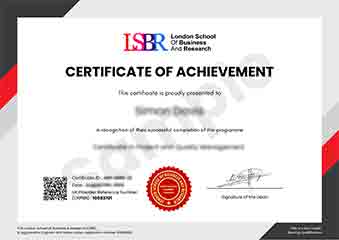
Sample Certificate
Preview the certificate you'll receive upon successful completion of this program.
Get Free Course Info
Enter your details and we'll send you a comprehensive course information pack straight to your inbox.
Employer Sponsored Training
Let your employer invest in your professional development. Request a corporate invoice and get your training funded.
Request Corporate InvoiceWhat People Say About Us
Hear from our students about their experience with the Executive Development Programme in Optimizing Control System Performance Through HMI Design at FlexiCourses.
Sophie Brown
United Kingdom"The course provided in-depth material on optimizing control system performance through HMI design, equipping me with practical skills that have significantly enhanced my ability to design efficient human-machine interfaces. Gaining this knowledge has been incredibly beneficial for my career, opening up new opportunities to improve industrial processes and user interactions."
Tyler Johnson
United States"This course has significantly enhanced my ability to design more efficient and user-friendly Human-Machine Interfaces, directly translating into improved project outcomes at work. It has not only deepened my technical skills but also provided me with practical tools that are highly valued in the industry, opening up new opportunities for career advancement."
Tyler Johnson
United States"The course structure was meticulously organized, making it easy to follow and integrate the concepts into real-world HMI design challenges. The comprehensive content not only deepened my understanding of control system performance but also provided valuable insights for optimizing system performance in practical scenarios."