

Executive Development Programme in Optimizing Rotator Cuff Function and Movement
Enhance rotator cuff function and movement through tailored exercises, injury prevention, and performance optimization.
Executive Development Programme in Optimizing Rotator Cuff Function and Movement
Programme Overview
This course is designed for physical therapists, sports medicine specialists, and orthopedic professionals aiming to enhance their expertise in rotator cuff function and movement optimization. Participants will gain advanced knowledge in diagnosing and treating rotator cuff injuries, learn evidence-based rehabilitation techniques, and develop strategies for improving patient outcomes through precise movement analysis and targeted interventions.
Attendees will leave with a comprehensive toolkit of assessment and treatment protocols, including the latest research findings and clinical applications. The course also emphasizes practical skills in patient education and communication, ensuring that participants can effectively translate complex concepts into actionable plans for their patients.
What You'll Learn
Transform your understanding and skills in optimizing rotator cuff function and movement with our Executive Development Programme. Tailored for healthcare professionals and fitness experts, this program equips you with cutting-edge knowledge and techniques to prevent and treat shoulder injuries, enhancing patient outcomes and career prospects. Dive into advanced biomechanics, therapeutic exercises, and evidenced-based practices. Join our dynamic faculty and network with industry leaders to advance your expertise and open doors to specialist roles in sports medicine, orthopedics, and clinical practice. Elevate your impact in sports, rehabilitation, and wellness through hands-on training and practical case studies. Enroll now and transform your approach to shoulder health.
Programme Highlights
Industry-Aligned Curriculum
Developed with industry leaders to ensure practical, job-ready skills valued by employers worldwide.
Globally Recognised Certificate
Recognised by employers across 180+ countries as a mark of professional excellence.
Flexible Online Learning
Study at your own pace with lifetime access to all course materials and updates.
Instant Access
Start learning immediately — no application process or waiting period required.
Constantly Updated Content
Stay ahead with the latest industry trends, best practices, and emerging insights.
Career Advancement
87% of graduates report measurable career progression within 6 months of completion.
Topics Covered
- 1. Introduction to Rotator Cuff Anatomy and Biomechanics: Learners will study the basic anatomy and biomechanics of the rotator cuff, gaining a foundational understanding of its role in shoulder function. They will learn to identify key anatomical structures and understand the dynamic interactions between these structures.
- 2. Assessment Techniques for Rotator Cuff Function: This module covers various assessment methods to evaluate rotator cuff function, including physical examination techniques and diagnostic imaging. Learners will learn to accurately assess rotator cuff function and identify common pathologies.
- 3. Biomechanics of Shoulder Movement and Its Impact on Rotator Cuff: Learners will delve into the biomechanics of shoulder movement and how it affects rotator cuff function. They will understand the relationship between shoulder movements and rotator cuff mechanics, enabling them to recognize patterns of movement that may contribute to dysfunction.
- 4. Non-Surgical Management Strategies for Rotator Cuff Injuries: This module focuses on conservative management techniques for rotator cuff injuries, including manual therapy, exercise prescription, and patient education. Learners will gain practical skills in designing and implementing non-surgical treatment plans.
- 5. Advanced Rehabilitation Techniques for Rotator Cuff Injuries: Building on foundational knowledge, this module explores advanced rehabilitation techniques for rotator cuff injuries, including neuromuscular retraining and sport-specific exercises. Learners will learn to develop personalized rehabilitation programs that address specific patient needs.
- 6. Surgical Considerations for Rotator Cuff Repair: This module provides an in-depth look at surgical options for rotator cuff repair, including surgical techniques and post-operative management. Learners will learn to assess when surgery is appropriate and how to prepare patients for surgical interventions.
- 7. Pain Management Strategies for Rotator Cuff Injuries: This module covers various pain management strategies for rotator cuff injuries, including pharmacological and non-pharmacological approaches. Learners will learn to effectively manage pain to improve patient outcomes and adherence to treatment plans.
- 8. Preventive Strategies for Rotator Cuff Injuries: Focusing on prevention, this module discusses strategies to reduce the risk of rotator cuff injuries, including ergonomic assessments and patient education. Learners will gain skills in identifying high-risk populations and developing preventive measures to protect against injury.
- 9. Evidence-Based Practice in Rotator Cuff Rehabilitation: This module explores the role of evidence-based practice in rotator cuff rehabilitation, including how to stay current with the latest research and guidelines. Learners will learn to integrate the best available evidence into their clinical decision-making.
- 10. Leadership and Management in Executive Development: This final module focuses on leadership and management skills essential for executive development, including strategic planning and team management. Learners will learn to apply their expertise in rotator cuff rehabilitation to leadership roles in healthcare organizations.
What You Get When You Enroll
Secure checkout • Instant access • Certificate included
Key Facts
Audience: Physical therapists, orthopedic surgeons
Prerequisites: Basic knowledge of anatomy, years experience
Outcomes: Improved rotator cuff function, enhanced patient movement assessment skills
Ready to get started?
Join thousands of professionals who already took the next step. Enroll now and get instant access.
Enroll Now — $199Why This Course
Enhance skill set with specialized knowledge in rotator cuff optimization.
Gain practical insights into advanced techniques for improving function and movement.
Network with industry experts and peers to foster professional growth.
Your Path to Certification
Trusted by Professionals Worldwide
Course Brochure
Download our comprehensive course brochure with all details
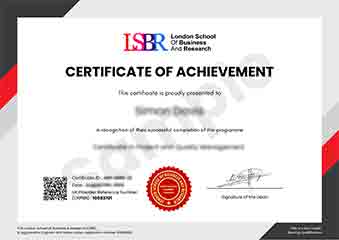
Sample Certificate
Preview the certificate you'll receive upon successful completion of this program.
Get Free Course Info
Enter your details and we'll send you a comprehensive course information pack straight to your inbox.
Employer Sponsored Training
Let your employer invest in your professional development. Request a corporate invoice and get your training funded.
Request Corporate InvoiceWhat People Say About Us
Hear from our students about their experience with the Executive Development Programme in Optimizing Rotator Cuff Function and Movement at FlexiCourses.
James Thompson
United Kingdom"The course content was incredibly detailed and well-researched, providing a solid foundation in optimizing rotator cuff function and movement. Gaining these practical skills has significantly enhanced my ability to address clients' needs in physical therapy, offering tangible benefits in my career."
Siti Abdullah
Malaysia"This program has significantly enhanced my understanding of rotator cuff function, which is directly applicable in my role as a physical therapist. The practical applications I learned have already improved patient outcomes and opened new career opportunities in specialized sports rehabilitation."
Liam O'Connor
Australia"The course structure was meticulously organized, providing a clear path from foundational concepts to advanced applications in rotator cuff function and movement. The comprehensive content not only deepened my understanding but also offered numerous real-world examples that significantly enhanced my ability to apply this knowledge in clinical settings."