

Executive Development Programme in Predictive Modeling for Fluid Systems
This program equips executives with predictive modeling skills for fluid systems, enhancing decision-making and operational efficiency.
Executive Development Programme in Predictive Modeling for Fluid Systems
Programme Overview
This course is designed for senior engineers, data scientists, and managers in the manufacturing and engineering sectors who seek to enhance their predictive modeling skills specifically for fluid systems. Participants will gain proficiency in using advanced statistical and machine learning techniques to predict and optimize fluid system behaviors, leading to improved system performance and reduced maintenance costs.
By the end of the program, learners will be able to develop predictive models for fluid systems, interpret model outputs, and implement these models in real-world scenarios to make informed decisions and drive innovation in their organizations.
What You'll Learn
Dive into the future of fluid systems engineering with our Executive Development Programme in Predictive Modeling for Fluid Systems. This immersive course equips you with advanced predictive modeling techniques to optimize fluid dynamics in industries ranging from aerospace to manufacturing. You'll master state-of-the-art software, collaborate with industry experts, and learn cutting-edge methodologies to drive innovation and efficiency. Ideal for seasoned professionals looking to stay ahead, this program opens doors to senior leadership roles and specialized consulting. Join us and transform complex fluid challenges into strategic advantages.
Programme Highlights
Industry-Aligned Curriculum
Developed with industry leaders to ensure practical, job-ready skills valued by employers worldwide.
Globally Recognised Certificate
Recognised by employers across 180+ countries as a mark of professional excellence.
Flexible Online Learning
Study at your own pace with lifetime access to all course materials and updates.
Instant Access
Start learning immediately — no application process or waiting period required.
Constantly Updated Content
Stay ahead with the latest industry trends, best practices, and emerging insights.
Career Advancement
87% of graduates report measurable career progression within 6 months of completion.
Topics Covered
- 1. Introduction to Fluid Systems: Learners will understand the basic principles of fluid systems, including flow dynamics and key terminology. They will gain foundational knowledge to analyze and model fluid systems effectively.
- 2. Data Collection and Preprocessing: Learners will study methods for collecting and preprocessing data relevant to fluid systems, ensuring data quality and readiness for predictive modeling.
- 3. Statistical Fundamentals for Fluid Systems: This module covers essential statistical concepts and their application in fluid systems, enabling learners to perform basic statistical analyses and interpret data.
- 4. Predictive Modeling Basics: Learners will be introduced to various predictive modeling techniques and their application in fluid systems, focusing on model selection, validation, and interpretation.
- 5. Advanced Predictive Modeling Techniques: Building on basic techniques, this module explores advanced methods such as machine learning algorithms tailored for fluid systems, enhancing learners' ability to handle complex data.
- 6. Time Series Analysis in Fluid Systems: Learners will learn how to apply time series analysis to predict fluid system behavior over time, crucial for forecasting and decision-making.
- 7. Case Studies in Fluid Systems: Through real-world case studies, learners will apply predictive modeling techniques to solve practical problems in fluid systems, bridging theory and practice.
- 8. Optimization and Control in Fluid Systems: This module covers optimization techniques and control strategies for improving fluid system performance, equipping learners with tools to enhance system efficiency.
- 9. Integration of Predictive Models: Learners will study how to integrate predictive models into existing systems and processes, ensuring seamless operation and improved decision support.
- 10. Ethics and Compliance in Predictive Modeling: Finally, learners will explore ethical considerations and compliance requirements in the development and application of predictive models in fluid systems.
What You Get When You Enroll
Secure checkout • Instant access • Certificate included
Key Facts
Audience: Engineers, data analysts
Prerequisites: Basic statistics, fluid dynamics knowledge
Outcomes: Predictive modeling skills, enhanced decision-making
Ready to get started?
Join thousands of professionals who already took the next step. Enroll now and get instant access.
Enroll Now — $199Why This Course
Gain specialized skills in predictive modeling for fluid systems, enhancing career prospects in engineering and related fields.
Access cutting-edge tools and methodologies used in industry, bridging the gap between academic knowledge and practical application.
Network with industry professionals and peers, fostering collaboration and knowledge sharing in predictive modeling and fluid systems.
Your Path to Certification
Trusted by Professionals Worldwide
Course Brochure
Download our comprehensive course brochure with all details
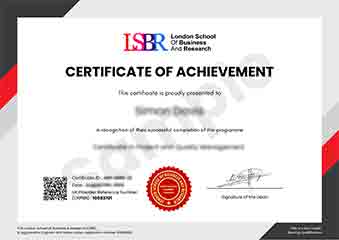
Sample Certificate
Preview the certificate you'll receive upon successful completion of this program.
Get Free Course Info
Enter your details and we'll send you a comprehensive course information pack straight to your inbox.
Employer Sponsored Training
Let your employer invest in your professional development. Request a corporate invoice and get your training funded.
Request Corporate InvoiceWhat People Say About Us
Hear from our students about their experience with the Executive Development Programme in Predictive Modeling for Fluid Systems at FlexiCourses.
Sophie Brown
United Kingdom"The course content was incredibly thorough and well-structured, providing a solid foundation in predictive modeling techniques specifically tailored for fluid systems. I gained valuable practical skills that have already enhanced my ability to analyze and optimize complex fluid systems, which is directly benefiting my career."
Siti Abdullah
Malaysia"The Executive Development Programme in Predictive Modeling for Fluid Systems has significantly enhanced my ability to apply advanced modeling techniques in real-world scenarios, making me a more valuable asset to my team and opening up new opportunities for career advancement in my field."
Tyler Johnson
United States"The course structure was well-organized, providing a clear path from foundational concepts to advanced predictive modeling techniques, which greatly enhanced my understanding of fluid systems. The comprehensive content and real-world applications have significantly broadened my professional skill set and confidence in applying these models to practical scenarios."