

Executive Development Programme in Replacement Strategy for Resource Conservation
This programme equips executives with strategies to conserve resources through effective replacement, enhancing sustainability and reducing costs.
Executive Development Programme in Replacement Strategy for Resource Conservation
Programme Overview
This course is designed for senior executives and decision-makers in industries focusing on sustainable resource management. Participants will gain a deep understanding of modern replacement strategies that enhance resource conservation, including lifecycle analysis, circular economy principles, and advanced recycling technologies.
They will learn to develop and implement strategies that reduce environmental impact, improve operational efficiency, and comply with emerging regulatory standards. The course equips leaders with the knowledge to drive sustainable practices and foster innovation within their organizations.
What You'll Learn
Dive into the future of sustainability with our Executive Development Programme in Replacement Strategy for Resource Conservation. This transformative course equips you with cutting-edge strategies to conserve resources and reduce environmental impact. You'll learn innovative methods for sustainable product design, lifecycle management, and waste reduction, backed by real-world case studies and expert insights. Ideal for professionals seeking to lead in eco-friendly practices, this program offers a unique blend of rigorous academic content and hands-on practical applications. Join us to become a pivotal force in the green economy, opening doors to leadership roles in corporate sustainability and resource management. Empower yourself to make a meaningful difference and secure a dynamic career in a rapidly growing field.
Programme Highlights
Industry-Aligned Curriculum
Developed with industry leaders to ensure practical, job-ready skills valued by employers worldwide.
Globally Recognised Certificate
Recognised by employers across 180+ countries as a mark of professional excellence.
Flexible Online Learning
Study at your own pace with lifetime access to all course materials and updates.
Instant Access
Start learning immediately — no application process or waiting period required.
Constantly Updated Content
Stay ahead with the latest industry trends, best practices, and emerging insights.
Career Advancement
87% of graduates report measurable career progression within 6 months of completion.
Topics Covered
- 1. Introduction to Resource Conservation Strategies: Learners will explore the importance of resource conservation and the role of strategic planning in sustainable resource use. They will gain foundational knowledge on key conservation principles and the impact of resource depletion on business operations and the environment.
- 2. Understanding Replacement Strategies: This module delves into different types of replacement strategies, focusing on how to identify and implement effective replacements for resources with limited availability. Learners will learn to analyze current resource usage and develop strategies to replace or reduce reliance on these resources.
- 3. Lifecycle Analysis for Resource Management: Learners will study the lifecycle approach to resource management, covering the entire process from resource extraction to disposal. They will learn to conduct lifecycle analyses to understand the environmental impact of resource use and identify opportunities for improvement.
- 4. Innovation in Resource Conservation: This module focuses on innovative solutions and technologies for conserving resources. Learners will explore emerging trends and cutting-edge technologies, and develop skills in evaluating and implementing innovative resource conservation methods.
- 5. Strategic Planning for Resource Conservation: Learners will learn how to develop comprehensive strategic plans for resource conservation, including setting goals, identifying key performance indicators, and creating actionable plans. They will practice developing resource conservation strategies that align with organizational objectives.
- 6. Case Studies in Resource Conservation: Through in-depth case studies, learners will analyze successful and unsuccessful resource conservation efforts from various industries. They will gain insights into best practices and common challenges faced in implementing resource conservation strategies.
- 7. Environmental Regulations and Compliance: This module covers the legal and regulatory frameworks surrounding resource conservation and environmental protection. Learners will learn how to navigate compliance requirements and develop strategies to ensure regulatory adherence.
- 8. Stakeholder Engagement for Resource Conservation: Learners will learn the importance of stakeholder engagement in resource conservation efforts. They will develop skills in effective communication and collaboration with stakeholders, including employees, customers, suppliers, and regulators.
- 9. Monitoring and Evaluation of Resource Conservation: This module focuses on methods for monitoring and evaluating the effectiveness of resource conservation strategies. Learners will learn how to collect and analyze data, and use this information to refine and improve conservation efforts.
- 10. Leadership and Change Management in Resource Conservation: Learners will explore how to lead and manage change to promote resource conservation within an organization. They will develop skills in fostering a culture of sustainability and motivating others to support resource conservation initiatives.
What You Get When You Enroll
Secure checkout • Instant access • Certificate included
Key Facts
Audience: Senior leaders, managers
Prerequisites: + years experience
Outcomes: Enhanced strategic planning skills, improved sustainability practices
Ready to get started?
Join thousands of professionals who already took the next step. Enroll now and get instant access.
Enroll Now — $199Why This Course
Gain strategic insights on how to implement replacement strategies for resource conservation, enhancing sustainability practices.
Develop skills in evaluating and choosing the most effective replacement methods to reduce environmental impact.
Access expert guidance and network with peers from various industries to share best practices and innovative solutions.
Your Path to Certification
Trusted by Professionals Worldwide
Course Brochure
Download our comprehensive course brochure with all details
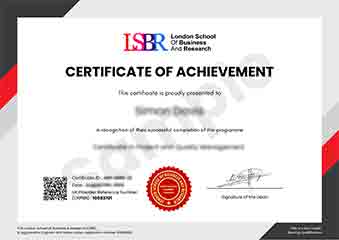
Sample Certificate
Preview the certificate you'll receive upon successful completion of this program.
Get Free Course Info
Enter your details and we'll send you a comprehensive course information pack straight to your inbox.
Employer Sponsored Training
Let your employer invest in your professional development. Request a corporate invoice and get your training funded.
Request Corporate InvoiceWhat People Say About Us
Hear from our students about their experience with the Executive Development Programme in Replacement Strategy for Resource Conservation at FlexiCourses.
Sophie Brown
United Kingdom"The course content was incredibly rich and well-researched, providing a deep understanding of replacement strategies for resource conservation. I gained practical skills that I can immediately apply to reduce waste in my current role, which has already shown positive impacts on our project's sustainability goals."
Klaus Mueller
Germany"The Executive Development Programme in Replacement Strategy for Resource Conservation has significantly enhanced my ability to implement sustainable practices in my organization, making my role more impactful and aligning with industry standards. This course has not only deepened my understanding of resource conservation but also provided me with practical tools to drive innovation and efficiency in my projects."
Liam O'Connor
Australia"The course structure was well-organized, seamlessly integrating theoretical concepts with practical applications, which significantly enhanced my understanding of replacement strategies for resource conservation. It provided a comprehensive framework that has greatly benefited my professional growth in sustainable practices."