

Executive Development Programme in Theoretical Computer Science: Algorithms and Complexity
This programme equips executives with advanced skills in algorithms and complexity, enhancing decision-making and innovation in tech-driven strategies.
Executive Development Programme in Theoretical Computer Science: Algorithms and Complexity
Programme Overview
This Executive Development Programme in Theoretical Computer Science: Algorithms and Complexity is tailored for senior executives and managers in tech and related industries seeking to enhance their strategic decision-making through a deep understanding of algorithms and computational complexity. Participants will gain insights into advanced algorithm design techniques, complexity analysis, and the theoretical foundations that underpin modern computing, enabling them to better navigate and innovate in a rapidly evolving tech landscape.
Upon completion, attendees will be equipped with the knowledge to evaluate the efficiency and scalability of computational solutions, fostering more informed investments in technology and innovation. The program also aims to bridge the gap between technical and business perspectives, enhancing participants' ability to lead and manage teams with a robust understanding of theoretical computer science principles.
What You'll Learn
Dive into the cutting-edge world of Theoretical Computer Science with our Executive Development Programme in Algorithms and Complexity. This intensive month course equips you with the advanced skills needed to tackle complex computational challenges. You'll explore the fundamental concepts of algorithms and complexity theory, gaining a deep understanding of how to design efficient solutions and analyze their performance. Our program offers exclusive access to industry leaders and real-world case studies, ensuring you're not just learning theory but preparing for practical application. Ideal for professionals seeking to enhance their expertise or transition into leadership roles in tech and data science, this program opens doors to high-demand careers. Join us to revolutionize your career and contribute to the advancement of computational technologies.
Programme Highlights
Industry-Aligned Curriculum
Developed with industry leaders to ensure practical, job-ready skills valued by employers worldwide.
Globally Recognised Certificate
Recognised by employers across 180+ countries as a mark of professional excellence.
Flexible Online Learning
Study at your own pace with lifetime access to all course materials and updates.
Instant Access
Start learning immediately — no application process or waiting period required.
Constantly Updated Content
Stay ahead with the latest industry trends, best practices, and emerging insights.
Career Advancement
87% of graduates report measurable career progression within 6 months of completion.
Topics Covered
- 1. Fundamentals of Algorithm Design: Learners will study basic concepts in algorithm design and analysis, including time and space complexity. They will gain skills in evaluating the efficiency of algorithms and understanding the trade-offs between different design techniques.
- 2. Data Structures and Their Applications: This module covers essential data structures such as arrays, lists, trees, and graphs, and their applications in solving complex problems efficiently. Learners will develop the ability to choose and implement appropriate data structures for specific needs.
- 3. Advanced Algorithm Design Techniques: Focusing on advanced techniques like dynamic programming, greedy algorithms, and divide-and-conquer, this module helps learners understand how to tackle more intricate problems. They will also learn to analyze the correctness and efficiency of these algorithms.
- 4. Complexity Theory Basics: Learners will explore the fundamental concepts in computational complexity theory, including time and space complexity classes. They will gain an understanding of the implications of P vs NP and other complexity classes.
- 5. NP-Completeness and Approximation Algorithms: This module delves into the theory of NP-complete problems and strategies for dealing with them, such as approximation algorithms. Learners will learn to identify NP-complete problems and develop efficient approximate solutions.
- 6. Randomized Algorithms and Probabilistic Analysis: Students will study algorithms that use randomness as part of their logic, focusing on techniques for analyzing and designing such algorithms. They will gain skills in probabilistic methods and their applications in algorithm design.
- 7. Algorithmic Game Theory: This module introduces game theory concepts and their applications in algorithm design, covering topics like mechanism design and auctions. Learners will understand how to incorporate strategic behavior into algorithmic solutions.
- 8. Advanced Topics in Complexity Theory: Building on the basics, this module explores more advanced topics in complexity theory, such as circuit complexity and interactive proofs. Learners will deepen their understanding of the theoretical foundations of algorithms and complexity.
- 9. Parallel and Distributed Algorithms: Focusing on algorithms designed for parallel and distributed computing environments, learners will understand the challenges and opportunities in these settings and develop skills in designing efficient and scalable algorithms.
- 10. Current Trends and Research in Algorithms and Complexity: This module provides an overview of recent trends and ongoing research in the field of algorithms and computational complexity. Learners will gain insights into cutting-edge research and develop the skills to contribute to current academic and industrial research.
What You Get When You Enroll
Secure checkout • Instant access • Certificate included
Key Facts
Audience: Experienced professionals in tech
Prerequisites: Bachelor's degree in CS
Outcomes: Master algorithms, complexity theory
Ready to get started?
Join thousands of professionals who already took the next step. Enroll now and get instant access.
Enroll Now — $199Why This Course
Gain in-depth knowledge of algorithms and complexity theory, essential for solving complex computational problems efficiently.
Enhance your problem-solving skills through practical applications and advanced theoretical concepts, making you a more effective decision-maker in technology-driven environments.
Network with industry leaders and peers, expanding your professional circle and gaining insights into the latest trends and challenges in theoretical computer science.
Your Path to Certification
Trusted by Professionals Worldwide
Course Brochure
Download our comprehensive course brochure with all details
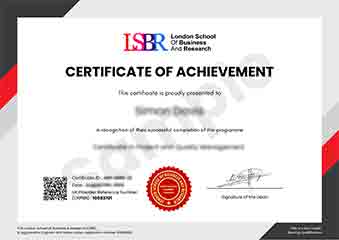
Sample Certificate
Preview the certificate you'll receive upon successful completion of this program.
Get Free Course Info
Enter your details and we'll send you a comprehensive course information pack straight to your inbox.
Employer Sponsored Training
Let your employer invest in your professional development. Request a corporate invoice and get your training funded.
Request Corporate InvoiceWhat People Say About Us
Hear from our students about their experience with the Executive Development Programme in Theoretical Computer Science: Algorithms and Complexity at FlexiCourses.
Oliver Davies
United Kingdom"The course provided a deep dive into advanced algorithms and complexity theory, equipping me with practical skills that have significantly enhanced my problem-solving abilities. I now feel better prepared to tackle complex computational challenges in my field."
Ahmad Rahman
Malaysia"This course has significantly enhanced my understanding of algorithms and complexity, making me more competitive in the tech industry. It has provided me with practical tools and insights that I've directly applied to optimize processes at my current job, leading to tangible improvements in efficiency and productivity."
Ryan MacLeod
Canada"The course structure was meticulously organized, providing a clear path from foundational concepts to advanced topics in algorithms and complexity, which greatly enhanced my understanding and ability to apply theoretical knowledge to real-world problems, significantly boosting my professional growth."