

Executive Development Programme in Trauma Sensitive Somatic Practices
This programme develops leaders' capacity in trauma-sensitive somatic practices, enhancing emotional intelligence and fostering resilient, empathetic leadership.
Executive Development Programme in Trauma Sensitive Somatic Practices
Programme Overview
This program is designed for executives and leaders seeking to enhance their emotional intelligence and leadership skills through trauma-sensitive somatic practices. Participants will gain practical tools to foster resilience, improve interpersonal communication, and promote a supportive work environment that recognizes and addresses the impact of trauma.
Attendees will learn specific somatic techniques to manage stress and anxiety, develop empathy, and create a more inclusive culture. The curriculum includes workshops, case studies, and real-world applications to ensure participants can immediately apply what they learn in their professional lives.
What You'll Learn
Embark on a transformative journey with our Executive Development Programme in Trauma Sensitive Somatic Practices. Designed for leaders seeking to enhance emotional intelligence and cultivate resilience, this program integrates cutting-edge somatic techniques with trauma-informed care. You'll learn to manage stress, foster empathy, and create trauma-sensitive environments, equipping you with invaluable skills for personal and professional growth. Ideal for healthcare professionals, corporate leaders, and educators, this program offers a unique blend of practical workshops, experiential learning, and peer networking. Transform challenges into opportunities and lead with compassion and wisdom. Join us and become a beacon of healing and transformation in your field.
Programme Highlights
Industry-Aligned Curriculum
Developed with industry leaders to ensure practical, job-ready skills valued by employers worldwide.
Globally Recognised Certificate
Recognised by employers across 180+ countries as a mark of professional excellence.
Flexible Online Learning
Study at your own pace with lifetime access to all course materials and updates.
Instant Access
Start learning immediately — no application process or waiting period required.
Constantly Updated Content
Stay ahead with the latest industry trends, best practices, and emerging insights.
Career Advancement
87% of graduates report measurable career progression within 6 months of completion.
Topics Covered
- 1. Introduction to Somatic Practices: Learners will explore the foundational concepts of somatic practices, including their history, theoretical underpinnings, and the role of the body in emotional and psychological well-being. They will gain practical skills in identifying somatic responses to trauma and basic techniques for somatic exploration.
- 2. Trauma and the Body: This module delves into the physiological and psychological impacts of trauma on the body, focusing on the nervous system and its role in trauma responses. Learners will acquire skills to recognize and assess somatic markers of trauma.
- 3. Foundations of Trauma-Informed Care: Learners will study the principles of trauma-informed care and how to apply them in various settings. Practical skills include creating safe and inclusive environments, understanding trauma’s impact on diverse populations, and developing culturally sensitive practices.
- 4. Somatic Techniques for Trauma: This module covers a range of somatic techniques specifically designed for trauma healing, such as somatic experiencing, sensorimotor psychotherapy, and yoga. Learners will practice these techniques and learn how to integrate them into therapeutic settings.
- 5. Mind-Body Connection in Trauma Recovery: Focusing on the mind-body connection, learners will explore how thoughts, emotions, and bodily sensations interact in the context of trauma. Practical skills include using mindfulness and breathing techniques to manage trauma-related symptoms.
- 6. Advanced Somatic Experiencing: This advanced module builds on foundational somatic experiences techniques, providing learners with more complex and nuanced approaches to trauma healing. Practical skills include facilitating trauma-focused somatic sessions and assessing client progress.
- 7. Group Dynamics in Somatic Practices: Learners will study how group dynamics can be used effectively in somatic practices to support trauma recovery. Practical skills include leading group sessions, fostering a supportive group environment, and managing group dynamics related to trauma.
- 8. Ethical Considerations in Somatic Trauma Work: This module addresses the ethical considerations unique to working with trauma through somatic practices. Learners will explore issues such as boundaries, confidentiality, and the potential risks and benefits of somatic trauma work.
- 9. Integrating Somatic Practices into Clinical Settings: Focusing on practical application, this module teaches learners how to integrate somatic practices into clinical settings, including mental health clinics, hospitals, and community organizations. Practical skills include developing treatment plans that incorporate somatic practices and collaborating with other healthcare professionals.
- 10. Research and Evidence-Based Practice in Somatic Trauma Work: The final module examines the current research and evidence base supporting somatic practices for trauma recovery. Learners will learn how to stay informed about the latest research and apply evidence-based practices in their work. Practical skills include conducting literature reviews and integrating research findings into clinical practice.
What You Get When You Enroll
Secure checkout • Instant access • Certificate included
Key Facts
Audience: Healthcare professionals, therapists, educators
Prerequisites: Basic understanding of psychology
Outcomes: Trauma-informed care skills, somatic practice proficiency
Ready to get started?
Join thousands of professionals who already took the next step. Enroll now and get instant access.
Enroll Now — $199Why This Course
Enhance emotional resilience by learning trauma-informed practices that promote mental and physical well-being.
Develop practical skills in somatic practices, which can be applied to support individuals in various settings, including healthcare, education, and community work.
Foster a deeper understanding of the interconnectedness of mind, body, and emotions, leading to more effective communication and empathy in personal and professional relationships.
Your Path to Certification
Trusted by Professionals Worldwide
Course Brochure
Download our comprehensive course brochure with all details
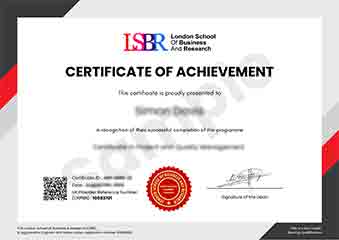
Sample Certificate
Preview the certificate you'll receive upon successful completion of this program.
Get Free Course Info
Enter your details and we'll send you a comprehensive course information pack straight to your inbox.
Employer Sponsored Training
Let your employer invest in your professional development. Request a corporate invoice and get your training funded.
Request Corporate InvoiceWhat People Say About Us
Hear from our students about their experience with the Executive Development Programme in Trauma Sensitive Somatic Practices at FlexiCourses.
James Thompson
United Kingdom"The course provided comprehensive and deeply insightful material on trauma-sensitive somatic practices, equipping me with practical skills to apply in various therapeutic settings. Gaining this knowledge has significantly enhanced my ability to support clients effectively, making a tangible difference in their healing journeys."
Siti Abdullah
Malaysia"The Executive Development Programme in Trauma Sensitive Somatic Practices has significantly enhanced my ability to integrate holistic approaches in my work, making me more effective in supporting clients with trauma. This program has not only broadened my skill set but also opened up new career opportunities in the field of mental health."
Ruby McKenzie
Australia"The course structure was meticulously organized, providing a clear pathway for integrating trauma-sensitive somatic practices into daily life, which significantly enhanced my understanding and application of the material in real-world settings. It offered a comprehensive overview that not only deepened my knowledge but also fostered professional growth by equipping me with practical tools to support others effectively."