

Executive Development Programme in Understanding Cloud Types and Altitudes
Enhance leadership skills by mastering cloud types and altitudes, improving strategic decision-making and environmental stewardship.
Executive Development Programme in Understanding Cloud Types and Altitudes
Programme Overview
This course is designed for executives and senior managers looking to enhance their strategic understanding of cloud types and altitudes. Participants will gain insights into the atmospheric conditions that influence cloud formation and the practical implications for various industries, including aviation, agriculture, and climate science.
Upon completion, learners will be able to make informed decisions based on meteorological data, enabling better business planning and risk management. The course also equips participants with the knowledge to engage more effectively with meteorological experts and leverage weather information to drive strategic initiatives.
What You'll Learn
Embark on a transformative journey with our Executive Development Programme in Understanding Cloud Types and Altitudes. Dive deep into the atmospheric sciences, mastering the nuances of cloud formation and their altitudes. This program equips you with the knowledge to navigate complex weather patterns, predict climate change impacts, and enhance decision-making in environmental and corporate sectors. Elevate your career by becoming a certified expert in cloud meteorology, opening doors to roles in aerospace, renewable energy, and climate research. Unique to our program, we offer hands-on labs, interactive simulations, and expert mentorship. Join us and shape the future of climate science and technology.
Programme Highlights
Industry-Aligned Curriculum
Developed with industry leaders to ensure practical, job-ready skills valued by employers worldwide.
Globally Recognised Certificate
Recognised by employers across 180+ countries as a mark of professional excellence.
Flexible Online Learning
Study at your own pace with lifetime access to all course materials and updates.
Instant Access
Start learning immediately — no application process or waiting period required.
Constantly Updated Content
Stay ahead with the latest industry trends, best practices, and emerging insights.
Career Advancement
87% of graduates report measurable career progression within 6 months of completion.
Topics Covered
- 1. Introduction to Cloud Types: Learners will study the basic types of clouds, their formation processes, and characteristics. They will gain foundational knowledge to identify and classify clouds in different weather conditions.
- 2. Understanding Cloud Altitudes: This module covers the altitude ranges of various cloud types and their meteorological significance. Learners will understand how altitude affects cloud formation and behavior.
- 3. Cloud Physics and Thermodynamics: Learners will delve into the physical and thermodynamic principles that govern cloud formation, including the role of temperature, humidity, and atmospheric stability.
- 4. Cloud Life Cycle and Evolution: This module explores the stages of cloud development, transformation, and dissipation. Learners will learn to predict cloud behavior based on environmental conditions.
- 5. Clouds in Different Weather Systems: Learners will study how clouds behave in various weather systems, such as fronts, thunderstorms, and cyclones, and their impact on weather patterns.
- 6. Clouds and Climate Change: This module examines the role of clouds in climate change, including their influence on solar radiation and heat distribution in the atmosphere.
- 7. Advanced Cloud Classification Techniques: Learners will explore advanced methods for classifying clouds using remote sensing and satellite imagery, enhancing their ability to analyze complex cloud formations.
- 8. Clouds and Aviation: This module focuses on the impact of clouds on aviation, including safety considerations, flight planning, and weather forecasting for pilots.
- 9. Clouds and Renewable Energy: Learners will study the relationship between clouds and renewable energy, including how cloud cover affects solar and wind energy production.
- 10. Cloud Research and Forecasting: This module covers the latest research methodologies and forecasting techniques related to clouds, preparing learners to contribute to scientific advancements in meteorology.
What You Get When You Enroll
Secure checkout • Instant access • Certificate included
Key Facts
Audience: Entry-level to mid-level professionals
Prerequisites: Basic understanding of meteorology
Outcomes: Identify common cloud types, understand altitudes, enhance forecasting skills
Ready to get started?
Join thousands of professionals who already took the next step. Enroll now and get instant access.
Enroll Now — $199Why This Course
Enhance career prospects by gaining in-depth knowledge of cloud types and altitudes, making you a more valuable asset in the field.
Acquire practical skills to apply theoretical knowledge in real-world scenarios, improving your problem-solving abilities and decision-making in diverse environments.
Network with industry professionals and peers, creating opportunities for mentorship and collaboration that can accelerate your professional growth.
Your Path to Certification
Trusted by Professionals Worldwide
Course Brochure
Download our comprehensive course brochure with all details
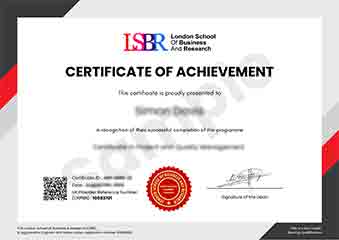
Sample Certificate
Preview the certificate you'll receive upon successful completion of this program.
Get Free Course Info
Enter your details and we'll send you a comprehensive course information pack straight to your inbox.
Employer Sponsored Training
Let your employer invest in your professional development. Request a corporate invoice and get your training funded.
Request Corporate InvoiceWhat People Say About Us
Hear from our students about their experience with the Executive Development Programme in Understanding Cloud Types and Altitudes at FlexiCourses.
Oliver Davies
United Kingdom"The course provided an in-depth understanding of various cloud types and their altitudes, which has significantly enhanced my ability to analyze weather patterns. Gaining this knowledge has greatly improved my career prospects in meteorology."
Sophie Brown
United Kingdom"This course has significantly enhanced my understanding of cloud types and altitudes, making me more competitive in the aviation industry. It provided practical insights that I immediately applied to improve my job performance and opened up new career opportunities."
Ruby McKenzie
Australia"The course structure was well-organized, providing a clear path from basic cloud types to more complex altitude considerations, which greatly enhanced my understanding and ability to apply this knowledge in real-world scenarios. It was particularly beneficial for my professional growth in meteorology."