

Postgraduate Certificate in Python Code Optimization for Machine Learning Workflows
Elevate Python coding skills for efficient machine learning workflows, earning a Postgraduate Certificate with practical optimization techniques.
Postgraduate Certificate in Python Code Optimization for Machine Learning Workflows
Programme Overview
This course is designed for data scientists, machine learning engineers, and advanced Python developers looking to enhance their skills in optimizing Python code for machine learning workflows. Participants will learn advanced techniques for improving the performance of machine learning models and reducing computational overhead, essential for handling large datasets efficiently.
By the end of the course, learners will gain proficiency in using Python libraries such as NumPy, Pandas, and Dask for data manipulation, and they will master strategies for optimizing code, including vectorization, just-in-time compilation, and parallel processing. Practical projects will ensure they can apply these skills effectively in real-world scenarios.
What You'll Learn
Dive into the heart of Python code optimization for machine learning workflows with our Postgraduate Certificate program. Ideal for data scientists, AI engineers, and tech enthusiasts, this course equips you with advanced techniques to enhance model performance and efficiency. You'll master cutting-edge tools and methodologies for optimizing code, from algorithmic improvements to parallel computing. Our curriculum is designed to bridge theoretical knowledge with practical application, ensuring you can implement optimized machine learning solutions in real-world scenarios. With hands-on projects and expert mentorship, you'll gain a competitive edge, opening doors to leadership roles in AI and data science. Join us to transform your coding skills into a powerhouse for innovation and efficiency.
Programme Highlights
Industry-Aligned Curriculum
Developed with industry leaders to ensure practical, job-ready skills valued by employers worldwide.
Globally Recognised Certificate
Recognised by employers across 180+ countries as a mark of professional excellence.
Flexible Online Learning
Study at your own pace with lifetime access to all course materials and updates.
Instant Access
Start learning immediately — no application process or waiting period required.
Constantly Updated Content
Stay ahead with the latest industry trends, best practices, and emerging insights.
Career Advancement
87% of graduates report measurable career progression within 6 months of completion.
Topics Covered
- 1. Introduction to Python for Machine Learning: Learners will explore the basics of Python programming relevant to machine learning, including data structures, control flow, and basic libraries like NumPy and pandas. They will gain foundational coding skills necessary for optimizing machine learning workflows.
- 2. Understanding Machine Learning Algorithms: This module covers essential machine learning algorithms such as linear regression, logistic regression, k-NN, and decision trees. Learners will understand the underlying mathematics and how to implement these algorithms in Python, setting the stage for efficient code optimization.
- 3. Data Preprocessing and Feature Engineering: Learners will study techniques for data cleaning, transformation, and feature engineering, crucial steps in preparing data for machine learning models. Practical skills include handling missing values, encoding categorical variables, and creating meaningful features to improve model performance.
- 4. Advanced Python Libraries for Data Manipulation: This module delves into advanced features of libraries like Pandas, SciPy, and Dask. Learners will learn efficient data manipulation techniques and understand the importance of choosing the right tools for different data manipulation tasks.
- 5. Optimization Techniques in Machine Learning: Here, learners will explore various optimization techniques, including gradient descent, stochastic gradient descent, and other advanced optimization algorithms. They will learn how to choose and implement these methods to enhance the training process of machine learning models.
- 6. Parallel and Distributed Computing for Machine Learning: This module introduces learners to parallel and distributed computing paradigms such as Dask and Apache Spark. They will understand how to scale up their machine learning workflows to handle large datasets and complex models.
- 7. AutoML and Automated Optimization: Learners will be introduced to AutoML tools and techniques that automate the process of machine learning model selection and hyperparameter tuning. They will learn how to use tools like HPOlibConfigSpace and Auto-sklearn to optimize models efficiently.
- 8. Performance Profiling and Debugging: This module focuses on techniques for profiling and debugging Python code to identify bottlenecks and inefficiencies. Learners will learn to use profiling tools like cProfile and debugging tools like pdb to optimize code performance.
- 9. Real-time Data Processing and Streaming: Here, learners will explore techniques for processing and analyzing data in real-time, using libraries like PySpark and Kafka. They will learn how to build scalable and efficient data pipelines for streaming data.
- 10. Final Project: Optimizing a Machine Learning Workflow: In this capstone module, learners will apply all the skills and knowledge gained throughout the course to optimize a complete machine learning workflow. They will work on a real-world project, from data preprocessing to model deployment, demonstrating their ability to optimize code for machine learning workflows.
What You Get When You Enroll
Secure checkout • Instant access • Certificate included
Key Facts
For working professionals in data science
Basic Python programming knowledge required
Master Python code optimization techniques
Enhance machine learning workflow efficiency
Gain industry-relevant coding skills
Ready to get started?
Join thousands of professionals who already took the next step. Enroll now and get instant access.
Enroll Now — $149Why This Course
Enhance coding skills specifically tailored for machine learning, leading to more efficient and effective workflows.
Gain practical knowledge in Python code optimization, directly applicable to real-world machine learning projects, improving performance and resource utilization.
Access to advanced techniques and tools that streamline the development process, allowing for quicker prototyping and deployment of machine learning models.
Your Path to Certification
Trusted by Professionals Worldwide
Course Brochure
Download our comprehensive course brochure with all details
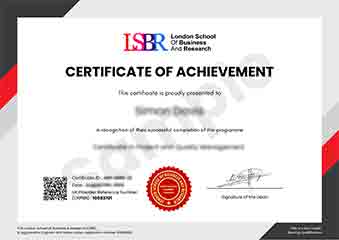
Sample Certificate
Preview the certificate you'll receive upon successful completion of this program.
Get Free Course Info
Enter your details and we'll send you a comprehensive course information pack straight to your inbox.
Employer Sponsored Training
Let your employer invest in your professional development. Request a corporate invoice and get your training funded.
Request Corporate InvoiceWhat People Say About Us
Hear from our students about their experience with the Postgraduate Certificate in Python Code Optimization for Machine Learning Workflows at FlexiCourses.
James Thompson
United Kingdom"The course content is incredibly thorough and well-structured, providing a deep dive into optimizing Python code for machine learning workflows. I've gained practical skills that have significantly improved my ability to handle large datasets efficiently, which is invaluable for my career in data science."
Hans Weber
Germany"This postgraduate certificate has significantly enhanced my ability to optimize Python code for machine learning tasks, making my workflows more efficient and scalable. It has opened up new opportunities in my field, allowing me to tackle complex projects with greater confidence and expertise."
Ruby McKenzie
Australia"The course is meticulously structured, offering a seamless progression from foundational concepts to advanced techniques in Python code optimization for machine learning, which significantly enhances my ability to streamline workflows and improve model performance in practical scenarios."