

Professional Certificate in C Programming: Best Practices for Secure Coding
Elevate your C programming skills with this certificate, focusing on secure coding best practices to enhance software security and reliability.
Professional Certificate in C Programming: Best Practices for Secure Coding
Programme Overview
This course is designed for software developers and cybersecurity professionals aiming to enhance their C programming skills with a focus on secure coding practices. Participants will learn to identify and mitigate common security vulnerabilities such as buffer overflows, format string attacks, and race conditions, ensuring more secure and robust applications.
By the end of the course, learners will gain practical knowledge on implementing security best practices, writing secure C code, and conducting code reviews for security. They will also understand the importance of adhering to standards like the Secure Coding Guidelines and the CERT C Coding Standard.
What You'll Learn
Embark on a journey to master C programming with our Professional Certificate in C Programming: Best Practices for Secure Coding. This intensive course equips you with the knowledge and skills to write secure, efficient, and robust C code, essential for today's cybersecurity landscape. You'll learn to identify and mitigate security vulnerabilities, optimize performance, and adhere to industry best practices. Ideal for career advancement in cybersecurity, software development, or system administration, this certificate not only enhances your technical expertise but also prepares you for roles such as a C Developer, Security Analyst, or DevSecOps Engineer. Join us to become a master coder who can build secure systems and protect against cyber threats.
Programme Highlights
Industry-Aligned Curriculum
Developed with industry leaders to ensure practical, job-ready skills valued by employers worldwide.
Globally Recognised Certificate
Recognised by employers across 180+ countries as a mark of professional excellence.
Flexible Online Learning
Study at your own pace with lifetime access to all course materials and updates.
Instant Access
Start learning immediately — no application process or waiting period required.
Constantly Updated Content
Stay ahead with the latest industry trends, best practices, and emerging insights.
Career Advancement
87% of graduates report measurable career progression within 6 months of completion.
Topics Covered
- 1. Introduction to C Programming: Learners will understand the basics of the C programming language, including syntax, data types, and basic control structures. They will gain the ability to write simple C programs and understand the importance of secure coding practices from the outset.
- 2. Memory Management and Security: This module covers memory allocation and deallocation in C, including dynamic memory management and its security implications. Learners will learn how to prevent common memory-related vulnerabilities such as buffer overflows.
- 3. Input/Output and File Handling: Learners will study secure methods for reading from and writing to files, understanding the risks associated with file handling and techniques to mitigate them. Practical skills include safe file operations and secure data storage.
- 4. Error Handling and Debugging: This module focuses on robust error handling techniques in C, including the use of error codes and the importance of proper error reporting. Learners will gain experience in debugging C programs and understanding the role of error handling in secure coding.
- 5. Secure Coding Practices and Standards: Learners will be introduced to best practices and standards for secure coding in C, such as the CERT C Coding Standard. They will learn how to apply these standards to their own code and understand the importance of adhering to secure coding guidelines.
- 6. Advanced Data Structures and Security: This module explores secure usage of advanced data structures in C, including arrays, linked lists, and trees. Learners will learn how to implement these structures securely and avoid common pitfalls that could lead to vulnerabilities.
- 7. Network Programming and Security: Learners will study secure network programming techniques in C, including socket programming and secure communication protocols. Practical skills include implementing secure client-server communication and understanding network security best practices.
- 8. Cryptography in C: This module covers basic cryptographic concepts and algorithms relevant to C programming, such as DES, AES, and RSA. Learners will gain knowledge in secure cryptographic practices and how to implement cryptographic functions safely in C.
- 9. Secure API Usage and Interoperability: Learners will explore secure usage of APIs in C programming, understanding the risks associated with third-party code and how to ensure interoperability while maintaining security. Practical skills include integrating APIs securely and managing dependencies safely.
- 10. Secure Build and Deployment: This module focuses on secure build practices and deployment strategies for C programs, including compile-time checks, static code analysis, and secure deployment methods. Learners will gain the skills to ensure that their programs are secure throughout their lifecycle.
What You Get When You Enroll
Secure checkout • Instant access • Certificate included
Key Facts
Audience: Software developers, cybersecurity professionals
Prerequisites: Basic programming knowledge
Outcomes: Secure coding techniques, C best practices
Ready to get started?
Join thousands of professionals who already took the next step. Enroll now and get instant access.
Enroll Now — $149Why This Course
Acquire Essential Skills: Gain in-depth knowledge of C programming, focusing on secure coding practices to protect against vulnerabilities.
Enhance Career Prospects: Boost your resume with a recognized professional certificate, making you a more attractive candidate in the job market.
Secure Software Development: Learn best practices to write secure code, reducing the risk of security breaches and ensuring robust software development.
Your Path to Certification
Trusted by Professionals Worldwide
Course Brochure
Download our comprehensive course brochure with all details
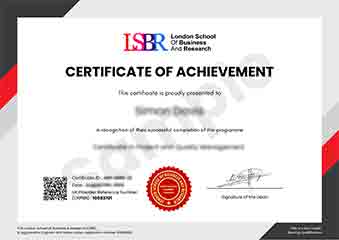
Sample Certificate
Preview the certificate you'll receive upon successful completion of this program.
Get Free Course Info
Enter your details and we'll send you a comprehensive course information pack straight to your inbox.
Employer Sponsored Training
Let your employer invest in your professional development. Request a corporate invoice and get your training funded.
Request Corporate InvoiceWhat People Say About Us
Hear from our students about their experience with the Professional Certificate in C Programming: Best Practices for Secure Coding at FlexiCourses.
Sophie Brown
United Kingdom"The course content is comprehensive and well-structured, providing a solid foundation in secure coding practices that are directly applicable in real-world scenarios. Gaining insights into common vulnerabilities and how to mitigate them has significantly enhanced my ability to write safer and more robust C programs."
Ahmad Rahman
Malaysia"This course has been instrumental in enhancing my understanding of secure coding practices in C, making my code more robust and secure. It has directly contributed to my career advancement by equipping me with industry-relevant skills that are in high demand."
Kavya Reddy
India"The course is meticulously organized, guiding learners through essential best practices for secure coding in C, which not only enhances theoretical knowledge but also equips us with practical skills applicable in real-world scenarios, significantly boosting our professional growth."