

Professional Certificate in E Learning Accessibility Guidelines
Earn a Professional Certificate in E-Learning Accessibility Guidelines to enhance digital course accessibility, ensuring inclusivity and compliance.
Professional Certificate in E Learning Accessibility Guidelines
Programme Overview
This course is designed for educators, instructional designers, and e-learning developers looking to enhance the accessibility of their digital learning materials. Participants will gain a comprehensive understanding of the WCAG guidelines and how to apply them to create inclusive online learning environments, ensuring that content is accessible to users with various disabilities.
By the end of the course, learners will be able to identify and rectify accessibility issues in e-learning materials, develop accessible content from the ground up, and use tools and techniques to test and improve the accessibility of their digital resources.
What You'll Learn
Transform your e-learning content into a universally accessible and inclusive environment with our Professional Certificate in E-Learning Accessibility Guidelines. This comprehensive course equips you with the knowledge and skills to ensure that all learners, regardless of their abilities, can fully engage with digital educational materials. You'll master WCAG , Section , and other critical accessibility standards, enhancing user experience and compliance. Join a community of professionals dedicated to creating equitable learning experiences. Perfect for educators, instructional designers, and accessibility specialists, this course opens doors to advanced career opportunities in educational technology and digital accessibility. Dive into innovative teaching methods and cutting-edge tools that make a real difference in the lives of learners worldwide.
Programme Highlights
Industry-Aligned Curriculum
Developed with industry leaders to ensure practical, job-ready skills valued by employers worldwide.
Globally Recognised Certificate
Recognised by employers across 180+ countries as a mark of professional excellence.
Flexible Online Learning
Study at your own pace with lifetime access to all course materials and updates.
Instant Access
Start learning immediately — no application process or waiting period required.
Constantly Updated Content
Stay ahead with the latest industry trends, best practices, and emerging insights.
Career Advancement
87% of graduates report measurable career progression within 6 months of completion.
Topics Covered
- 1. Introduction to Accessibility in E-Learning: Learners will understand the importance of accessibility in e-learning and the legal and ethical considerations. They will gain foundational knowledge on how to identify and assess accessibility needs in digital learning environments.
- 2. Web Accessibility Basics: This module covers the core principles of web accessibility and how to apply these principles to create accessible web content. Learners will learn to use accessibility tools and techniques to ensure their online courses meet WCAG 2.1 guidelines.
- 3. Designing Accessible Learning Content: Learners will explore strategies for designing accessible multimedia, documents, and assessments. They will gain practical skills in creating content that is accessible to users with various disabilities, including visual, auditory, and cognitive impairments.
- 4. Assistive Technologies and Their Applications: This module focuses on the types of assistive technologies available and how they can be integrated into e-learning environments. Learners will learn about screen readers, speech recognition software, and other tools and how to make e-learning platforms compatible with these technologies.
- 5. Inclusive Instructional Design: Learners will study inclusive instructional design principles and how to apply them in e-learning. They will learn to create courses that are accessible and engaging for all learners, regardless of their background or abilities.
- 6. Accessible Assessments and Evaluations: This module covers the design and implementation of accessible assessments. Learners will learn how to create assessments that are fair and unbiased, and how to use a variety of assessment methods to accommodate different learning styles and abilities.
- 7. Legal and Regulatory Frameworks for E-Learning Accessibility: Learners will explore the legal and regulatory landscape related to e-learning accessibility, including relevant laws and standards such as the ADA, Section 508, and the WCAG. They will learn how to ensure compliance with these regulations in their e-learning designs and implementations.
- 8. User Testing and Feedback: This module focuses on user testing and feedback mechanisms for e-learning content. Learners will learn how to conduct effective user testing, gather feedback from diverse user groups, and use this information to improve the accessibility and usability of their e-learning materials.
- 9. Professional Development and Best Practices: Learners will examine best practices and professional development opportunities in the field of e-learning accessibility. They will learn how to stay current with emerging trends and technologies and how to continuously improve their skills and knowledge.
- 10. Case Studies and Applications: This module involves an in-depth analysis of real-world case studies and practical applications of e-learning accessibility principles. Learners will apply their knowledge and skills to real-world scenarios, gaining hands-on experience in creating and improving accessible e-learning content.
What You Get When You Enroll
Secure checkout • Instant access • Certificate included
Key Facts
For educators, instructional designers, and L&D professionals
No specific prerequisites required
Understand WCAG and eLearning Accessibility Guidelines
Develop accessible online courses and training materials
Implement accessibility checks and tools
Create inclusive learning environments
Ready to get started?
Join thousands of professionals who already took the next step. Enroll now and get instant access.
Enroll Now — $149Why This Course
Gain in-depth knowledge of accessibility standards that enhance e-learning experiences for all users, including those with disabilities.
Enhance your career prospects by demonstrating expertise in creating inclusive and accessible learning environments.
Contribute to a more equitable learning landscape by applying best practices that ensure equal access to educational content for all.
Your Path to Certification
Trusted by Professionals Worldwide
Course Brochure
Download our comprehensive course brochure with all details
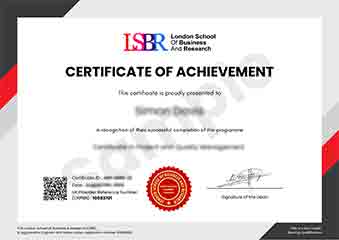
Sample Certificate
Preview the certificate you'll receive upon successful completion of this program.
Get Free Course Info
Enter your details and we'll send you a comprehensive course information pack straight to your inbox.
Employer Sponsored Training
Let your employer invest in your professional development. Request a corporate invoice and get your training funded.
Request Corporate InvoiceWhat People Say About Us
Hear from our students about their experience with the Professional Certificate in E Learning Accessibility Guidelines at FlexiCourses.
Oliver Davies
United Kingdom"The course content was incredibly thorough and well-organized, providing a solid foundation in accessibility guidelines that have directly enhanced my ability to design inclusive e-learning materials. Gaining these practical skills has been invaluable for my career, opening up new opportunities to create more accessible and user-friendly online courses."
Kai Wen Ng
Singapore"This course has significantly enhanced my understanding of accessibility guidelines, making my e-learning content more inclusive and user-friendly. It has not only broadened my skill set but also opened up new career opportunities in the field of e-learning development."
Oliver Davies
United Kingdom"The course structure is well-organized, providing a clear path from foundational concepts to advanced accessibility guidelines, which has significantly enhanced my understanding and approach to creating inclusive e-learning environments. The comprehensive content and real-world applications have been particularly beneficial, offering practical insights that I can immediately apply to improve the accessibility of digital learning materials."