

Professional Certificate in Real-Time Parallel Processing for Embedded Systems
Elevate skills in real-time parallel processing for embedded systems, earning a professional certificate with practical outcomes and advanced knowledge.
Professional Certificate in Real-Time Parallel Processing for Embedded Systems
Programme Overview
This course is designed for software engineers, system architects, and embedded system developers aiming to enhance their skills in real-time parallel processing. Participants will gain expertise in parallel computing paradigms, real-time operating systems, and efficient algorithm design tailored for embedded systems. They will learn to optimize code for performance and reliability, and implement scalable solutions for resource-constrained environments.
Upon completion, students will be capable of designing and deploying parallel processing solutions that meet stringent real-time requirements, significantly improving the efficiency and responsiveness of embedded systems in various applications, including automotive, aerospace, and medical devices.
What You'll Learn
Embark on a journey to master real-time parallel processing in embedded systems, where innovation meets efficiency. This intensive course equips you with the skills to design, implement, and optimize complex systems for real-world applications. Learn from industry experts who will guide you through the latest tools and techniques in parallel computing, ensuring your code runs seamlessly and efficiently. Whether you're aiming to enhance automotive systems, develop advanced robotics, or work in the aerospace industry, this course opens doors to high-demand roles. Gain hands-on experience with cutting-edge hardware and software, and join a community of professionals dedicated to pushing the boundaries of what's possible. This certificate not only boosts your resume but also prepares you to tackle the most challenging projects in the field. Enroll now and transform theory into practice in real-time parallel processing.
Programme Highlights
Industry-Aligned Curriculum
Developed with industry leaders to ensure practical, job-ready skills valued by employers worldwide.
Globally Recognised Certificate
Recognised by employers across 180+ countries as a mark of professional excellence.
Flexible Online Learning
Study at your own pace with lifetime access to all course materials and updates.
Instant Access
Start learning immediately — no application process or waiting period required.
Constantly Updated Content
Stay ahead with the latest industry trends, best practices, and emerging insights.
Career Advancement
87% of graduates report measurable career progression within 6 months of completion.
Topics Covered
- 1. Introduction to Real-Time Systems: Learners will study the fundamentals of real-time systems, including real-time constraints, scheduling, and basic hardware architectures. They will gain an understanding of how real-time systems differ from traditional systems and the importance of time-bound responses in embedded applications.
- 2. Real-Time Operating Systems (RTOS): This module covers the design and implementation of RTOS, focusing on key components like task management, inter-task communication, and memory management. Learners will develop practical skills in configuring, optimizing, and debugging RTOS for embedded devices.
- 3. Parallel Processing Fundamentals: Learners will explore the basics of parallel processing, including parallel algorithms, data partitioning, and communication models. They will understand the trade-offs between parallel and sequential processing and learn how to design efficient parallel algorithms for real-time systems.
- 4. Advanced Parallel Processing Techniques: This module delves into advanced parallel processing techniques such as parallel scheduling, load balancing, and fault tolerance. Learners will gain expertise in optimizing parallel applications for real-time constraints and enhancing system reliability.
- 5. Embedded System Architecture: Learners will study various architectures used in embedded systems, including microcontrollers, DSPs, and SoCs. They will learn about the hardware components, system buses, and peripheral interfaces, enabling them to design efficient and scalable embedded systems.
- 6. Real-Time Communication Protocols: This module covers real-time communication protocols and their implementation in embedded systems. Learners will study protocols like CAN, MQTT, and RTMP, and learn how to integrate them into real-time systems for reliable and efficient communication.
- 7. Parallel Algorithm Design: Learners will focus on designing and implementing parallel algorithms for real-time applications. Topics include parallel sorting, search algorithms, and matrix operations. They will gain hands-on experience in analyzing algorithm performance and optimizing for real-time constraints.
- 8. Real-Time Parallel Programming Models: This module introduces various programming models for parallel processing, such as OpenMP, MPI, and CUDA. Learners will learn how to write parallel code in these models and understand their strengths and limitations in real-time systems.
- 9. Case Studies in Real-Time Parallel Processing: Through case studies, learners will analyze real-world applications of real-time parallel processing in embedded systems. They will study successful implementations and learn best practices for designing and deploying parallel applications in various domains.
- 10. System Integration and Testing: Learners will work on integrating parallel processing components into complete embedded systems and conducting thorough testing to ensure real-time performance, reliability, and stability. They will gain experience in debugging and optimizing system performance.
What You Get When You Enroll
Secure checkout • Instant access • Certificate included
Key Facts
Audience: Software engineers, system architects
Prerequisites: Basic programming, understanding of embedded systems
Outcomes: Proficient in real-time parallel processing, optimized system design skills
Ready to get started?
Join thousands of professionals who already took the next step. Enroll now and get instant access.
Enroll Now — $149Why This Course
Gain specialized skills in real-time parallel processing, crucial for developing efficient and reliable embedded systems.
Access to industry-relevant training, ensuring practical knowledge that enhances employability and career advancement.
Learn from industry experts, providing insights and best practices directly applicable to real-world challenges in embedded systems development.
Your Path to Certification
Trusted by Professionals Worldwide
Course Brochure
Download our comprehensive course brochure with all details
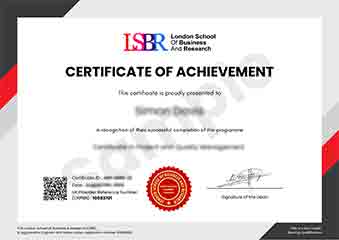
Sample Certificate
Preview the certificate you'll receive upon successful completion of this program.
Get Free Course Info
Enter your details and we'll send you a comprehensive course information pack straight to your inbox.
Employer Sponsored Training
Let your employer invest in your professional development. Request a corporate invoice and get your training funded.
Request Corporate InvoiceWhat People Say About Us
Hear from our students about their experience with the Professional Certificate in Real-Time Parallel Processing for Embedded Systems at FlexiCourses.
Charlotte Williams
United Kingdom"The course content is comprehensive and well-structured, providing a solid foundation in real-time parallel processing for embedded systems. I gained valuable practical skills that have already enhanced my ability to design and optimize complex systems for real-world applications."
James Thompson
United Kingdom"This course has been instrumental in bridging the gap between theoretical knowledge and practical application in real-time parallel processing. It has significantly enhanced my ability to develop efficient embedded systems, making me more competitive in the job market and opening up new opportunities in the tech industry."
Siti Abdullah
Malaysia"The course structure was meticulously organized, providing a seamless progression from foundational concepts to advanced topics in real-time parallel processing, which significantly enhanced my understanding and prepared me for practical challenges in embedded systems development."